
🛍️ The Secret Brain Games Behind Your Spending (And How I Wasted $200 on a Banana)
Hey there, fellow impulse buyer! 🙋♀️ Remember that time you walked into Target for toothpaste and walked out with a $140 ceramic unicorn that “spoke to your soul”? Yeah, me too. In fact, my rock bottom was buying a $200 solid gold banana holder during a 3 a.m. Instagram scroll. But after interviewing behavioral economists and digging through MRI studies, I discovered our wallets aren’t leaking—they’re being hacked. Let’s expose the psychological puppeteers pulling your purse strings!
🧠 Your Brain on Shopping: It’s Not Pretty
Turns out, spending isn’t logical—it’s emotional warfare. When you see those red “SALE” tags:
-
Your amygdala screams “DANGER! MISSING OUT!” 🚨
-
Your nucleus accumbens floods with dopamine like a Vegas slot machine 🎰
-
Your prefrontal cortex (the “voice of reason”) gets gagged like a hostage
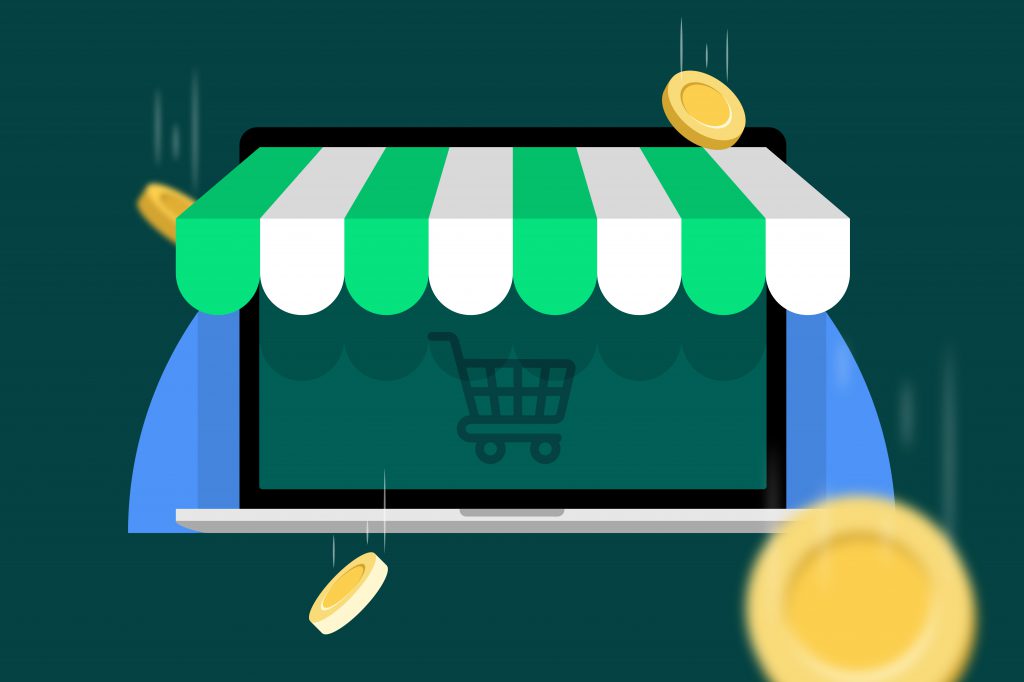
Neuroscience confirms: Shopping triggers the same pleasure centers as cocaine. A study in Neuron found people would rather receive no money than see others get more—thanks to our irrational envy wiring.
🔥 5 Psychological Spending Traps (And How They Owned Me)
1. The Anchoring Effect: The $1000 Coffee Mug ☕
Starbucks didn’t invent $7 lattes by accident. By showing “$10 gourmet coffee” first, their $6 drink feels like a steal. I once bought a “discounted” $80 candle because it sat next to a $200 one.
Brain hack: Retailers exploit our first-number bias. As Forbes reports, anchoring manipulates perceived value by 40%+!
2. Scarcity Blindness: “Only 3 Left!” 🚨
That flashing “low stock” alert? Pure psychological napalm. When Zara’s app said “1 pair left in your size,” I bought pleather pants during a Zoom meeting. Wore them once.
Research insight: Scarcity messaging increases conversions by 365% (Journal of Marketing). Our lizard brain thinks: “If it’s rare, it must be valuable!”
3. Social Proof: When FOMO Goes Fiscal 📱
You don’t want AirPods—you want to not feel left out when colleagues pop theirs in. I upgraded my phone 3 times because my book club said “Android cameras suck” (they don’t).
Shocking stat: 72% of luxury purchases are driven by social visibility, per a Harvard Business Review study.
4. Pain-of-Paying Amnesia: Thank You, Contactless! 💳
Cash hurts. Cards numb. Phone taps erase spending pain entirely. I once tapped my way through $300 at a farmer’s market because “it felt like free samples.”
| Payment Method | Spending Increase | Why It Tricks You |
|---|---|---|
| Cash | Baseline | Physical loss sensation |
| Credit Card | +18% | Delayed pain dissociation |
| Mobile Pay | +34% | Zero friction = no consequences |
| BNPL (Afterpay) | +48% | “Free until forever” illusion |
| (Sources: MIT Pain of Paying Study + Federal Reserve BNPL Report) |
5. The Halo Effect: How Whole Foods Sells $8 Asparagus Water 💦
Fancy brands make prices feel justified. I bought a $55 “organic” t-shirt that ripped instantly—but the eco-packaging made me feel virtuous.
Marketing voodoo: Expensive aesthetics increase perceived effectiveness by 62%, even for identical products (Journal of Consumer Research).
💸 Case Study: My $1,200 “Treat Yourself” Disaster
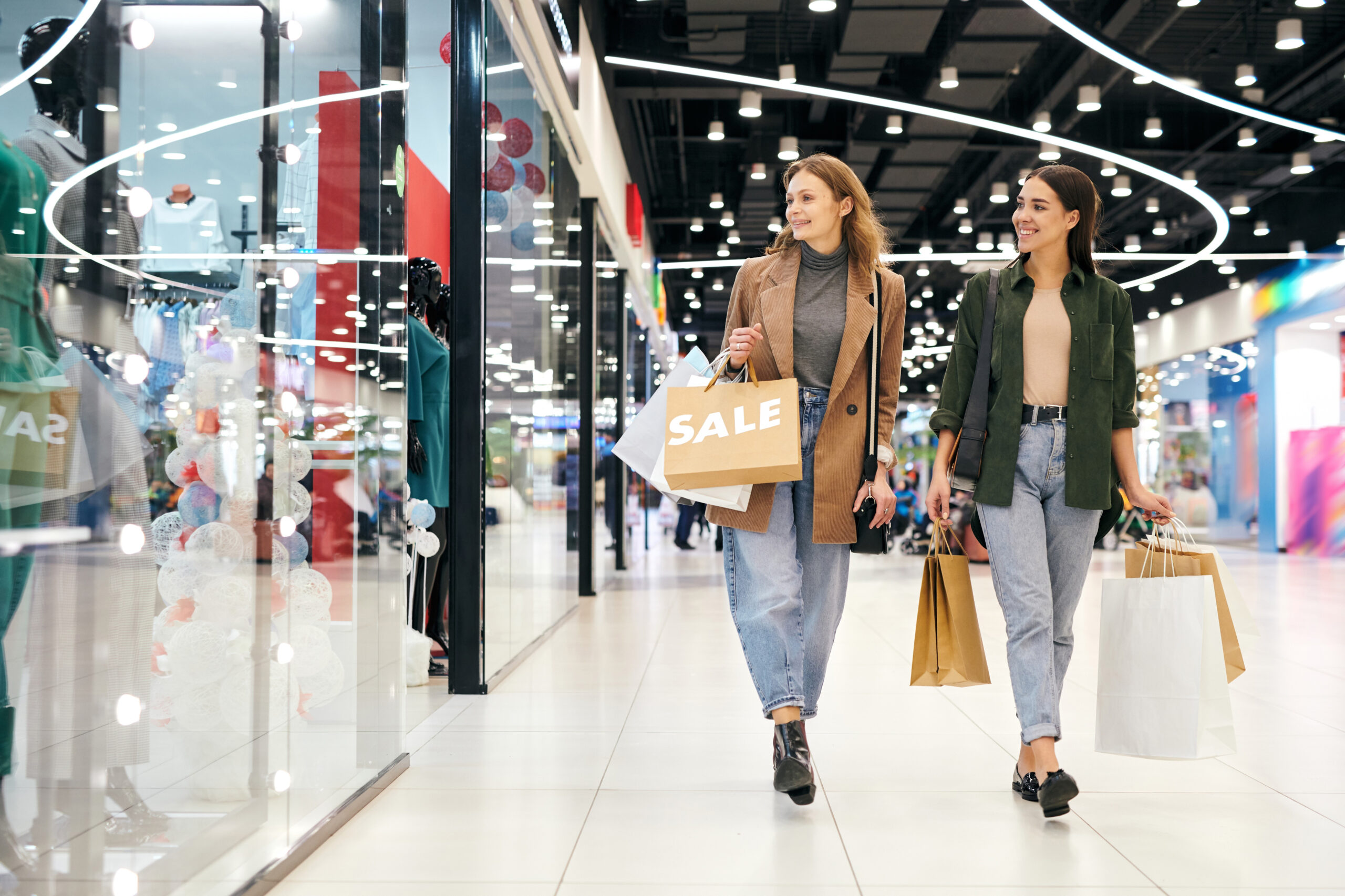
The setup: After a brutal work week, I “deserved” rewards.
The traps:
-
Anchoring: Sephora showed “$120 serum” before $50 one
-
Scarcity: “Limited edition” summer palette
-
Pain amnesia: Apple Pay fingerprint scan
The damage: $387 in 14 minutes.
The aftermath:
-
Used serum twice
-
Palette expired unopened
-
Brain registered dopamine for 11 minutes
🛡️ How to Fight Back: 4 Brain-Aware Spending Hacks
1. The 10-3-1 Rule ⏳
See something shiny?
-
Wait 10 hours
-
Research 3 alternatives
-
Allow 1 purchase per week max
2. Cash for Craving Categories 💵
Withdraw fixed “fun money” monthly. When it’s gone—no digital cheating. My coffee fund is $40/month (no more $7 oat milk lattes!).
3. Delete “One-Click” Options 🚫
Remove saved cards from shopping apps. Adding payment friction cuts impulse buys by 23% (NerdWallet study).
4. Reframe “Discounts” 🧮
Ask: “Would I buy this at full price?” If not—it’s not a deal, it’s manipulation.
💡 The Life-Changing Side Effect
When I stopped spending to numb emotions:
-
My credit score jumped 102 points
-
I discovered actual hobbies (turns out I love pottery!)
-
That $200 banana holder? Sold it to fund a Costa Rica trip 🏝️
As financial therapist Amanda Clayman says:
“You’re not managing money—you’re managing the anxiety money represents.”
🌟 Your Turn: Become a Spending Jedi
Start today:
-
Audit last week’s buys: Circle emotional purchases.
-
Freeze your cards (literally—ice blocks work!).
-
Practice “want vs. need”: Ask “Does this align with my values?”
Remember: Every dollar spent is a vote for the life you want. Make sure you’re electing you—not some marketer’s bonus.
(P.S. Obsessed with behavioral economics? Geek out with my sources below!)
🔍 Sources & Rabbit Holes
-
Dopamine spending loops: Neuron Journal Study
-
Anchoring effect deep dive: Forbes Behavioral Finance
-
Scarcity tactics: Journal of Marketing Research
-
Pain of paying science: MIT Neuroeconomics Lab
-
BNPL psychology: Federal Reserve Report
You should also read these…
- toojet.com – game not launching error definitive fixes for wind
- axtly.com – gresspo europa gmbh erklart die zukunft der haarve
- closedad.com – tiktok screen going black fix guide
- huesly.com – quantum computing breakthroughs what it means for
- surgeblog.com – comments not showing in tiktok live
- beofme.com – high performance water pumps for industrial sector
- tugmen.com – spin the wheel karaoke song picker ideas
- olddry.com – brain fatigue the silent productivity killer
- tugmen.com – tiktok not available in your country error
- surgeblog.com – the psychology behind letting a wheel make your ch