

🖼️ Images Won’t Load but Text Loads on Facebook: QUIC / HTTP3 Being Blocked Explained Clearly
If you open Facebook and notice a strange, almost uncanny behavior where text posts load instantly, comments appear normally, menus respond, but images, videos, stories, and thumbnails refuse to load, you are not facing a weak internet connection, a corrupted app, or a random Facebook glitch. This very specific split behavior is one of the clearest real-world indicators of QUIC / HTTP3 traffic being blocked somewhere on the network path 🧠📡.
What makes this problem especially confusing is that it feels partial. Facebook is not completely broken. It is not crashing. It is not offline. It is simply missing all rich media. That partial functionality is not accidental. It is the direct result of modern web protocols being selectively blocked while legacy ones continue to work.
🔍 Definition: What Does “Text Loads but Images Don’t” Actually Mean?
When text loads but images do not, it means Facebook’s application layer is functioning, authentication is valid, and basic API calls are succeeding. Text content is typically delivered over traditional HTTPS (HTTP/1.1 or HTTP/2), which almost all networks allow without issue.
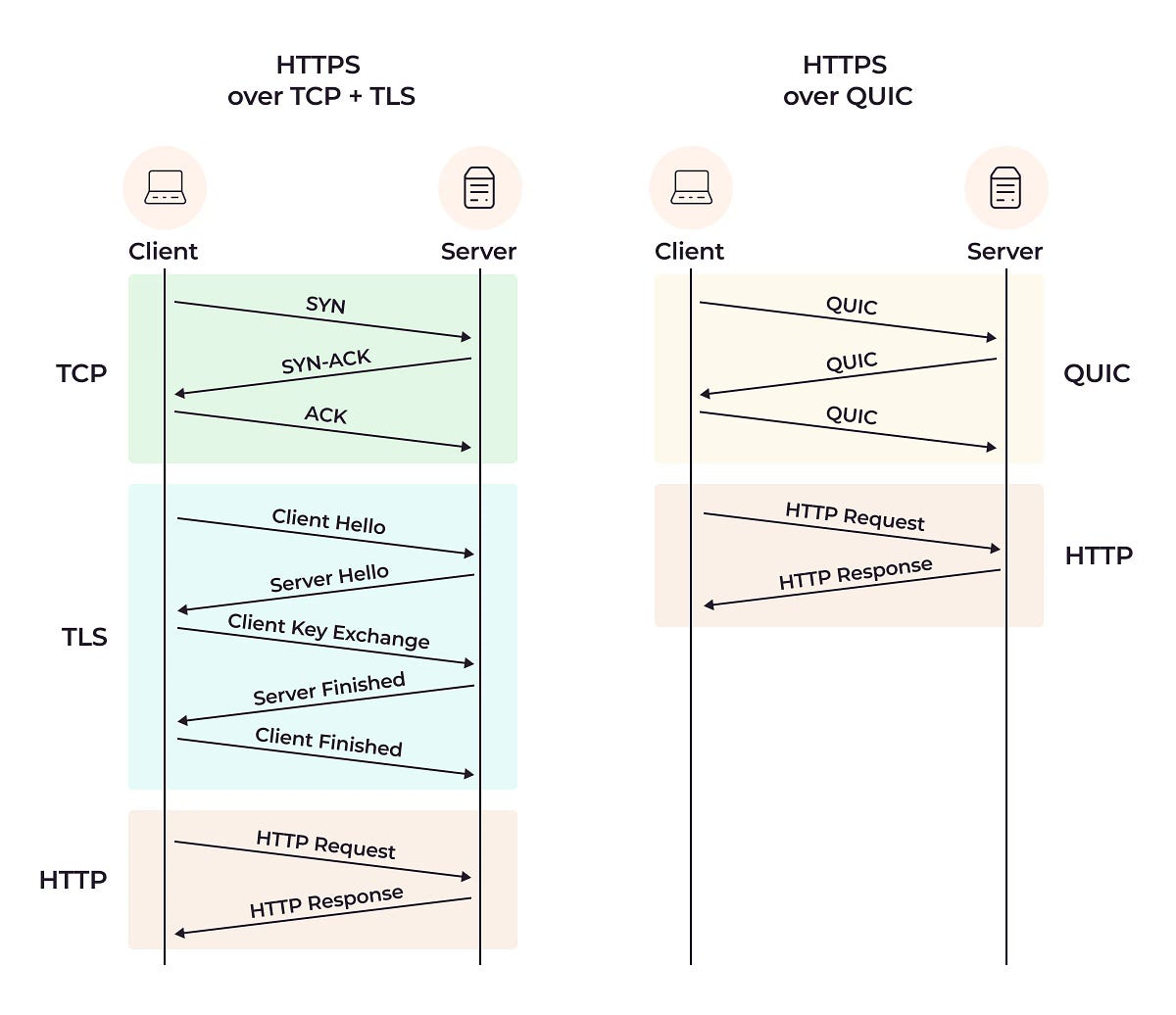
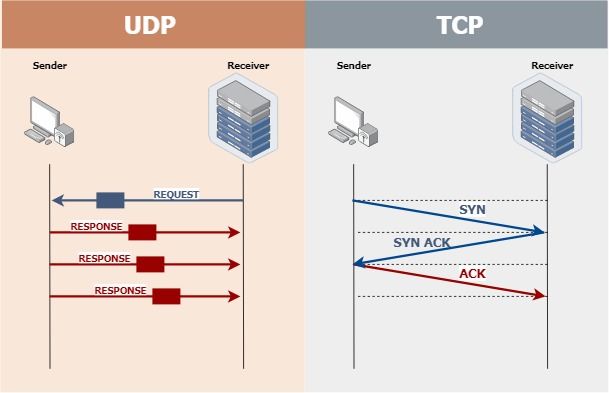
Images, videos, and other heavy media assets, however, are increasingly delivered over QUIC, the transport protocol used by HTTP/3, which runs on UDP instead of TCP. When QUIC traffic is blocked, delayed, or mishandled by the network, Facebook cannot retrieve media assets, but it can still fetch lightweight textual data. The result is a feed that looks alive but visually empty 😶🌫️.
📌 Why Facebook Is Especially Affected by QUIC / HTTP3 Blocking
Facebook aggressively adopts modern web technologies to reduce latency, improve reliability, and optimize media delivery at scale. QUIC allows faster connection establishment, better handling of packet loss, and improved performance on mobile and congested networks.
However, many routers, firewalls, ISPs, corporate networks, and public Wi-Fi systems still treat UDP traffic with suspicion. Some block it intentionally. Others throttle it. Some misclassify it. When QUIC packets are dropped or filtered, Facebook’s media delivery pipeline breaks, while text delivery continues normally over TCP. This is why users often say, “Facebook works, but pictures don’t,” which from a protocol perspective is an almost perfect diagnostic clue ⚠️.
🧠 How QUIC / HTTP3 Gets Blocked in the Real World
QUIC blocking rarely happens because someone explicitly targets Facebook. It usually happens as a side effect of network policies. Firewalls configured years ago may block unknown UDP ports. ISP traffic shaping systems may deprioritize or mishandle QUIC. Routers with outdated firmware may not understand QUIC flows correctly and drop packets under load.
Public Wi-Fi networks, corporate environments, schools, hotels, and even some home routers with “advanced security” features enabled are common places where QUIC fails silently. Because HTTP/3 is optional and fallback mechanisms exist, Facebook continues to load text, masking the real cause and making the issue feel mysterious 🧩.

🛠️ How to Confirm QUIC / HTTP3 Blocking Without Guessing
The most reliable confirmation is network switching. If images load instantly when you switch from Wi-Fi to mobile data, the device and app are not the issue. The network path is.
Another strong signal is VPN behavior. In many cases, enabling a VPN suddenly makes images load, because the VPN tunnels QUIC traffic through a path the network cannot inspect or block. That instant change is a powerful confirmation.
Advanced users sometimes notice that disabling “experimental” or “secure” DNS, firewall acceleration, or traffic inspection features on routers immediately restores image loading. These features often interfere with UDP-based protocols without explicitly stating so 🧪.
📊 A Real-World Scenario That Matches Perfectly
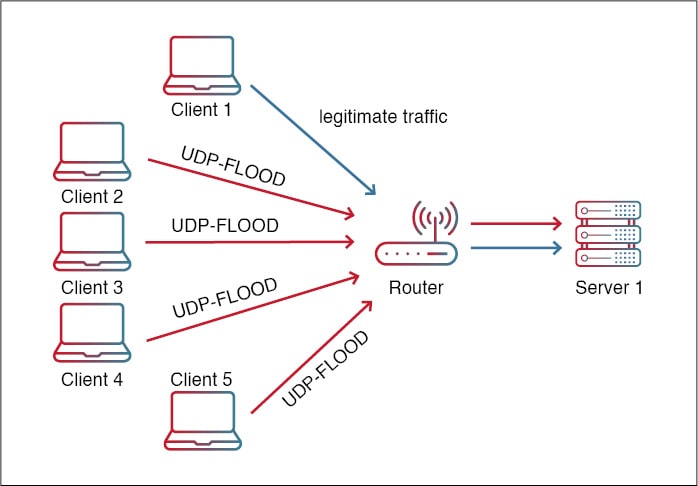
In one diagnostic case, a user reported that Facebook text loaded fine on home Wi-Fi, but images never appeared. On mobile data, everything worked instantly. The router had an enabled “DoS protection” feature that aggressively filtered UDP traffic. Once that feature was disabled, images began loading immediately without any app changes. The user described it as “Facebook suddenly remembering how to show pictures,” which is exactly what happens when QUIC traffic is finally allowed 😊.
📈 A Metaphor That Makes the Split Behavior Obvious
Imagine Facebook sending letters and packages. Letters travel by road and arrive fine. Packages are sent by air, but the airport is closed. You keep receiving messages, but never the photos. QUIC is that air route. When it is blocked, the words arrive, but the visuals never do ✉️✈️📦.

❓ Frequently Asked Questions (FAQ)
- Why does Facebook text load but images don’t?
Because text uses TCP while images often use QUIC over UDP. - Is this a Facebook bug?
No, it is a network compatibility issue. - Does reinstalling the app help?
No, the problem is outside the app. - Why does mobile data work fine?
Mobile networks generally allow QUIC traffic. - Can routers block QUIC unintentionally?
Yes, very commonly. - Is this related to DNS issues?
Indirectly, but the main issue is transport protocol blocking. - Does using a VPN fix it?
Often yes, by tunneling QUIC traffic. - Is HTTP/3 required for Facebook?
No, but Facebook prefers it for media delivery. - Why doesn’t Facebook fall back automatically?
Fallback exists, but it is not always immediate or guaranteed. - Is this dangerous?
No, it is a connectivity limitation, not a security breach.
🤔 People Also Ask
Why do videos not load but comments do?
Because videos rely heavily on QUIC.
Can corporate firewalls cause this?
Yes, they are one of the most common causes.
Why does disabling router security features help?
Because many of them mishandle UDP traffic.
Is this the same as slow internet?
No, it is protocol-specific blocking.
Should I keep using mobile data?
Only as a temporary workaround.
✅ Final Thoughts
When images and videos refuse to load on Facebook while text appears instantly, the behavior is not random and it is not subtle once you know what to look for. QUIC / HTTP3 being blocked creates a clean, repeatable split between lightweight content and rich media. Facebook is still working. The network is simply refusing to carry the kind of traffic modern platforms rely on for visuals. Once that blockage is removed or bypassed, images return immediately, not because Facebook was fixed, but because it was finally allowed to use the fast lane it was designed for 😌📶🖼️.
You should also read these…
- axtly.com – budgeting tips for couples sharing expenses
- huesly.com – creative ways teachers are using spin wheels in 20
- huesly.com – managing twitter x block mute lists bulk cleanup a
- axtly.com – best budget bluetooth headphones under 50 2025
- godwig.com – how to care for curly hair without damage
- closedad.com – tiktok friend matching errors and solving methods
- axtly.com – comments wont open but the post does realtime api
- huesly.com – foodie pilgrimages top 10 culinary capitals of 202
- beofme.com – fixing authentication errors in games
- noepic.com – why cant i upload long videos on tiktok