

When I choose a polyethylene foam for a project, I never look only at thickness, color, or price, because the real decision is hidden inside the structure of the foam, the way it behaves under pressure, the surface quality it offers, the moisture resistance it provides, and the long term confidence it gives in the actual application 😊. This is exactly why the comparison between DurProx physically cross linked polyethylene foam and DurSolex chemically cross linked polyethylene foam is so important, because both materials belong to the advanced cross linked PE foam family, both offer closed cell performance, both support insulation and protection, yet they are produced through different cross linking routes and can be preferred for different priorities. According to the official DurProx and DurSolex product information, DurProx stands out with Electron Beam based physical cross linking, very closed and steady cell structure, smooth surface, dimensional stability, water and moisture resistance, and internal texture that becomes sterile through the Electron Beam method, while DurSolex stands out as a chemically cross linked PE foam with closed cell structure, water and moisture resistance, effective sound and heat insulation capacity, external condition resistance, elasticity, lightness, and strong shape recovery.
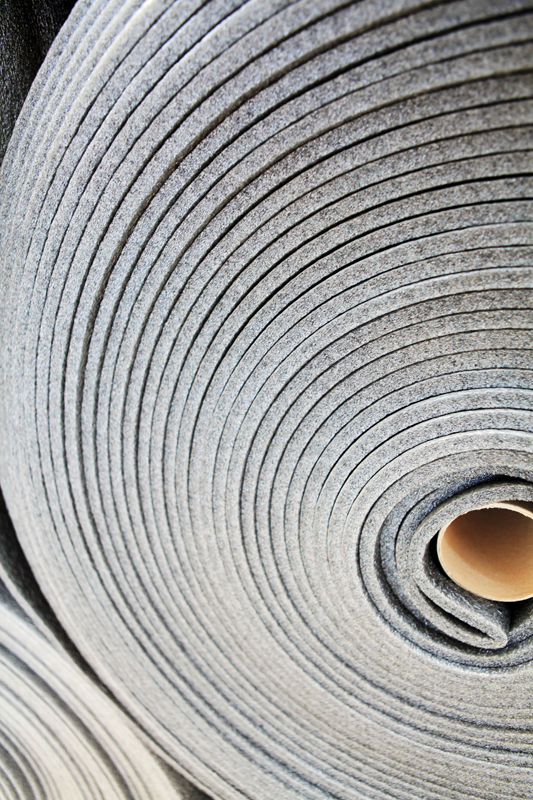
As a polyethylene foam manufacturer, Durfoam approaches this choice not as a simple product comparison, but as a practical selection process where the right foam should match the right sector, the right processing method, and the right performance expectation. I like to compare this decision to choosing shoes for a journey 👟, because a running shoe, a hiking boot, and a clean medical slipper may all protect the foot, yet each one is designed for a different surface, different movement, and different comfort expectation. In the same way, DurProx and DurSolex may both protect, cushion, insulate, and resist moisture, but the better choice depends on whether your priority is premium surface quality, hygiene perception, fine cell stability, economical high performance, thermoforming behavior, automotive insulation, packaging protection, or construction based comfort.
What Does Cross Linked Polyethylene Foam Mean?
Cross linked polyethylene foam, often called XLPE foam, is a closed cell foam family where polyethylene polymer chains are connected into a stronger three dimensional network, and this internal network helps the foam gain improved stability, resilience, durability, water resistance, insulation capacity, and surface quality compared with many ordinary non cross linked foam options. In plain language, cross linking turns the foam from a simple collection of soft cells into a more organized and disciplined material structure, almost like turning loose threads into a woven fabric that can hold its shape better under daily use. This is why cross linked PE foams are widely used in automotive insulation, medical and healthcare products, construction, packaging, electronics, shoes, bags, sports areas, railway solutions, and industrial conversion applications.

A physically cross linked polyethylene foam manufacturer typically focuses on foam structures created through irradiation based cross linking, while a chemically cross linked polyethylene foam manufacturer produces a cross linked structure through chemical cross linking processes, and although both routes create valuable material performance, their surface character, cell refinement, production logic, and ideal application areas may differ. For a buyer, engineer, designer, or procurement specialist, the key point is not to memorize chemistry terms, but to ask a more useful question: what kind of performance should the foam deliver after cutting, laminating, thermoforming, cushioning, insulating, or protecting the final product?
| Selection Criteria | DurProx Physically Cross Linked PE Foam | DurSolex Chemically Cross Linked PE Foam | Practical Meaning |
|---|---|---|---|
| Production logic | Physical cross linking with Electron Beam technology | Chemical cross linking process | Different cross linking methods create different material personalities |
| Cell structure | Very closed, fine, and steady cell structure | Closed cell structure with strong practical insulation behavior | Both resist moisture, but DurProx is often preferred when premium surface and fine structure matter more |
| Surface quality | Smooth and aesthetic surface appearance | Durable and elastic surface behavior | DurProx may be stronger for visible or hygiene sensitive surfaces, while DurSolex may be practical for demanding insulation and protection uses |
| Common strengths | Moisture resistance, sound and heat insulation, dimensional stability, odorless structure | Moisture resistance, sound and heat insulation, impact recovery, chemical and external condition resistance | Both can support protection, insulation, and comfort focused applications |
| Typical decision point | Choose when refined structure, clean surface, hygiene perception, and dimensional stability are key | Choose when flexible, durable, economical, and strong insulation performance is required | The best choice depends on application, not only on product name |
DurProx: When Should Physically Cross Linked PE Foam Be Preferred?
DurProx is a strong choice when the project needs a refined foam structure, smooth surface quality, high dimensional stability, clean handling, water and moisture resistance, impact recovery, and premium visual or hygienic perception. The official DurProx product information highlights its very closed and steady cell structure, effective sound and heat insulation capacity, elasticity, lightness, non caving recovery after impact, water and moisture resistance, odorless structure, resistance to chemicals and external environmental conditions, and compatibility with RoHS expectations. These characteristics make DurProx especially meaningful in medical and healthcare products, high quality packaging inserts, automotive aesthetic insulation parts, electronics protection, laminated technical components, and applications where the foam surface may be seen, touched, cut precisely, or shaped by heat.
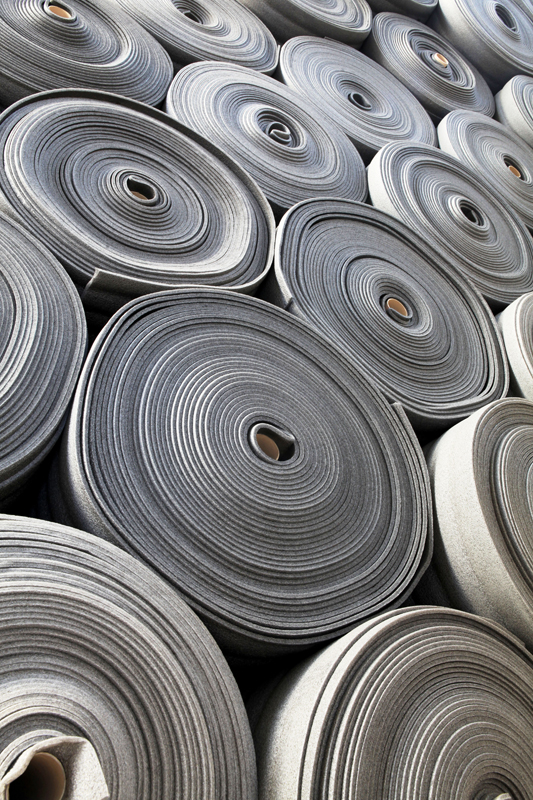
For example, imagine a medical device insert where the product must sit cleanly inside a foam cavity, the surface must look smooth, the foam should not feel dusty, and the geometry must remain stable during storage and handling. In that kind of case, the fine and steady structure of DurProx becomes more than a technical advantage, because it supports trust, presentation, and hygiene perception at the same time. This is why a physically cross linked polyethylene foam manufacturer can be the better partner when the project demands a cleaner surface feeling, more controlled appearance, and higher specification converted forms. I personally see DurProx as the “tailored suit” of the polyethylene foam family, because it is not only protective, it also looks and behaves in a more refined way when the application asks for that level of detail.
DurSolex: When Should Chemically Cross Linked PE Foam Be Preferred?
DurSolex is a strong choice when the project needs reliable closed cell foam performance, thermal and sound insulation, moisture resistance, impact recovery, elasticity, lightness, chemical resistance, environmental condition resistance, and broad usability across industrial applications. The official DurSolex product information highlights its closed cell structure, water and moisture resistance, effective sound and heat insulation capacity, elasticity, recovery after impact without caving in, resistance to external conditions, odorless structure, and ability to be produced in cut plate, roll, tube, laminated or non laminated forms, while also being shaped by heat. This makes DurSolex highly practical for insulation, automotive comfort parts, construction solutions, pipe and duct related uses, packaging protection, footwear and bag components, and converted industrial products where robust performance and flexible production matter deeply.
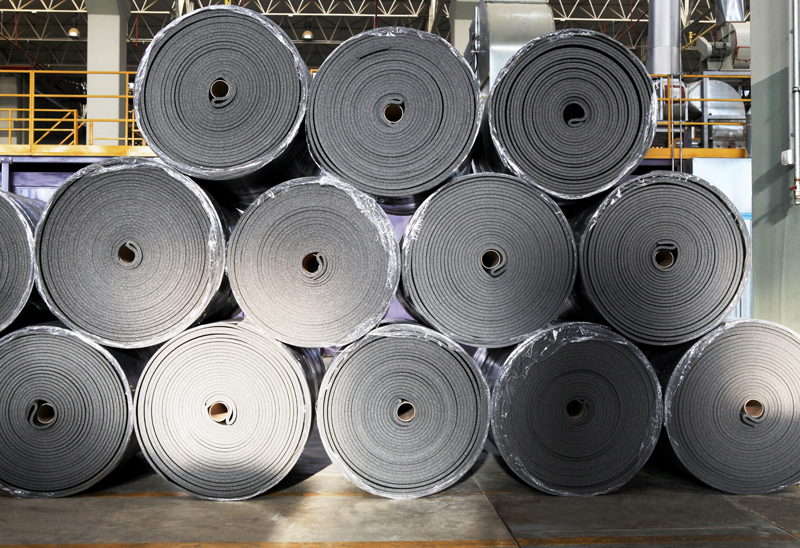
As a chemically cross linked polyethylene foam manufacturer, Durfoam provides a foam solution that can answer many practical industrial needs without making the selection process unnecessarily complicated. If DurProx is the tailored suit, I would describe DurSolex as a durable technical jacket 🧥, because it is flexible, protective, resistant, comfortable, and ready for demanding daily work. For example, in automotive or HVAC related insulation, DurSolex can support sound, dust, moisture, heat, and impact insulation needs, while also helping reduce weight compared with heavier traditional material solutions. In packaging or industrial conversion, it can support cushioning, separation, surface protection, and shaped part manufacturing, especially when the product needs reliable protection and good material resilience.
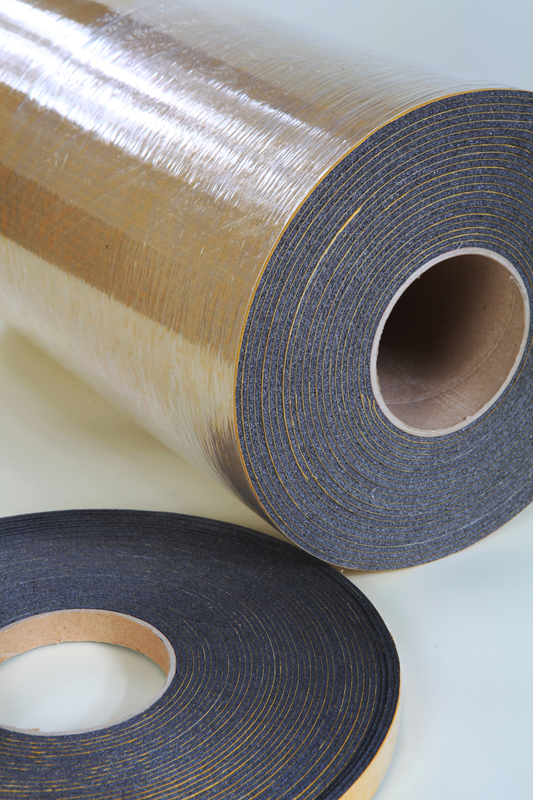
DurProx and DurSolex Compared Through Real Application Logic
The best way to compare DurProx and DurSolex is not to ask which one is universally better, because that question is like asking whether a microscope or a hammer is better; the answer depends completely on the task in front of you 🔍. DurProx becomes more attractive when smoothness, fine cell structure, premium visual quality, hygiene sensitive use, dimensional stability, and refined surface behavior are very important, while DurSolex becomes more attractive when the project needs strong closed cell performance, durable insulation behavior, flexible production, external condition resistance, and cost effective high performance for broader technical applications. Both products can be cut, shaped, laminated, converted, and used across multiple sectors, but the final decision should be based on load, surface expectation, temperature exposure, moisture risk, desired thickness, conversion method, contact sensitivity, and budget.
A pe foam manufacturer can guide this process by asking practical questions before recommending a material: Will the foam be visible to the customer? Will it touch a sensitive medical or electronic product? Will it be used as insulation inside a construction or HVAC system? Will it be thermoformed? Will it face moisture, outdoor conditions, chemical contact, or repeated compression? Will the part need a premium surface finish or mainly robust insulation performance? Once these questions are answered, the choice becomes much clearer, because material selection stops being a guess and becomes a controlled design decision.
Example: Choosing Foam for Three Different Projects
Let me make this more concrete with a simple example. If I were designing a clean insert for a medical device kit, I would lean toward DurProx because the smooth surface, fine closed cell structure, dimensional stability, odorless character, and hygiene perception would be more important than simply finding a general cushioning material. If I were selecting a foam for an HVAC insulation component, a pipe cover, or a robust thermal and sound insulation layer where flexibility and durability matter, I would consider DurSolex because its chemically cross linked closed cell structure and external condition resistance can support demanding insulation use. If I were preparing protective packaging for a sensitive electronic product where both appearance and cushioning matter, I would compare the surface expectation, budget, part geometry, and contact sensitivity, then choose DurProx for a cleaner premium insert or DurSolex for durable technical protection depending on the exact product route.
This is also where the wider experience of a polyethylene foam manufacturer becomes valuable, because a serious foam supplier does not force every customer into the same product, but helps match density, thickness, form, finish, lamination, roll or sheet format, and conversion process to the final use case. In my opinion, this is the heart of EEAT style material guidance: real experience comes from understanding how the material behaves after it leaves the catalog, expertise comes from knowing why the structure matters, authority comes from producing different foam families for different sectors, and trust comes from recommending the right product for the right need rather than the most convenient product on the shelf.
Key Selection Checklist
If you are trying to decide between DurProx and DurSolex, I would use a simple but thoughtful checklist. First, check whether the application is hygiene sensitive, visible, aesthetic, medical, or precision based, because these conditions may point toward DurProx. Second, check whether the application needs durable insulation, external condition resistance, cost effective technical performance, pipe or duct use, automotive weight reduction, or broad industrial conversion, because these conditions may point toward DurSolex. Third, consider whether the foam will be cut, laminated, thermoformed, wrapped, compressed, used as a tube, installed as a sheet, or converted into a custom part, because the manufacturing method affects the final material choice. Fourth, think about moisture, dust, sound, heat, impact, chemical exposure, and surface contact together, not separately, because polyethylene foam often performs multiple jobs at once.
As a physically cross linked polyethylene foam manufacturer and a chemically cross linked polyethylene foam manufacturer, Durfoam offers this comparison from inside the material family rather than from outside it, and that creates a practical advantage for designers, engineers, procurement teams, and manufacturers. The goal should not be to memorize every technical phrase, but to understand the personality of each foam. DurProx feels more refined, cleaner, smoother, and more controlled. DurSolex feels more robust, practical, elastic, and highly adaptable. Both can protect. Both can insulate. Both can support quality. The better choice depends on the exact job.
Common Mistakes When Choosing Polyethylene Foam
The most common mistake is choosing foam only by thickness, because two foams with the same thickness can behave very differently depending on density, cell structure, cross linking method, compression behavior, surface finish, and thermal or acoustic expectations. Another mistake is choosing only by price, because a cheaper material may become expensive if it deforms, absorbs moisture, looks unprofessional, causes product movement, fails in insulation, or increases customer complaints. A third mistake is ignoring conversion requirements, because a foam that works as a simple sheet may not behave the same way after die cutting, thermoforming, laminating, adhesive application, or repeated bending. A fourth mistake is choosing a premium foam where a more practical option would be enough, because good material selection also means avoiding unnecessary over specification. The smartest decision is always balanced, not emotional, not rushed, and not based on a single feature.
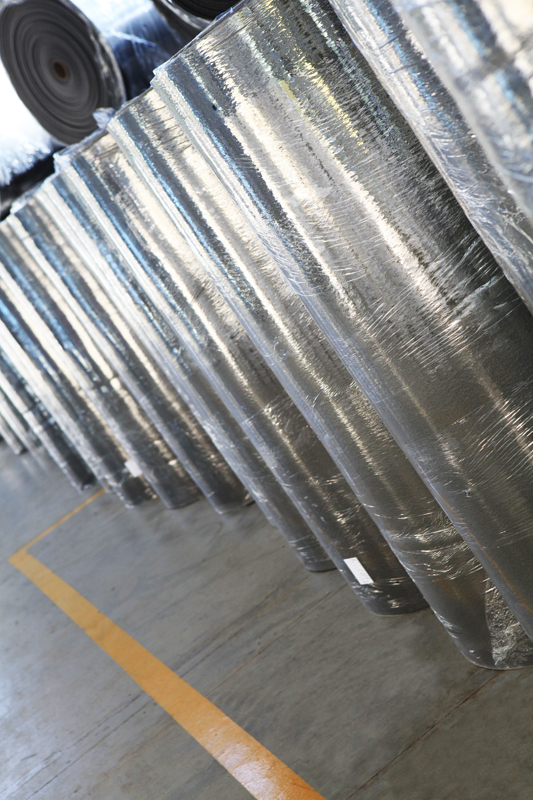
That balanced approach is why I would compare samples, test them under real conditions, and discuss the expected use with the manufacturer before final approval. A pe foam manufacturer with broader product knowledge can help you avoid underperforming choices and unnecessary overspending at the same time. This is especially important in sectors such as medical products, automotive, white goods, electronics, construction, HVAC, footwear, bags, sports, and railway applications, because each industry values a different combination of lightness, elasticity, surface quality, durability, insulation, moisture resistance, and cost efficiency.
Conclusion: DurProx or DurSolex, Which One Should You Choose?
DurProx and DurSolex are both valuable cross linked polyethylene foam solutions, yet they answer different priorities. Choose DurProx when you want a physically cross linked foam with very fine and steady cell structure, smooth and premium surface quality, strong dimensional stability, clean handling, hygiene perception, moisture resistance, and refined conversion potential. Choose DurSolex when you want a chemically cross linked foam with durable closed cell performance, strong insulation behavior, elasticity, moisture resistance, impact recovery, external condition resistance, and broad industrial practicality. In both cases, the most important rule is simple: start from the application, not from the product name. When you understand the environment, the contact surface, the load, the visual expectation, the conversion method, and the insulation target, the right choice becomes much easier.
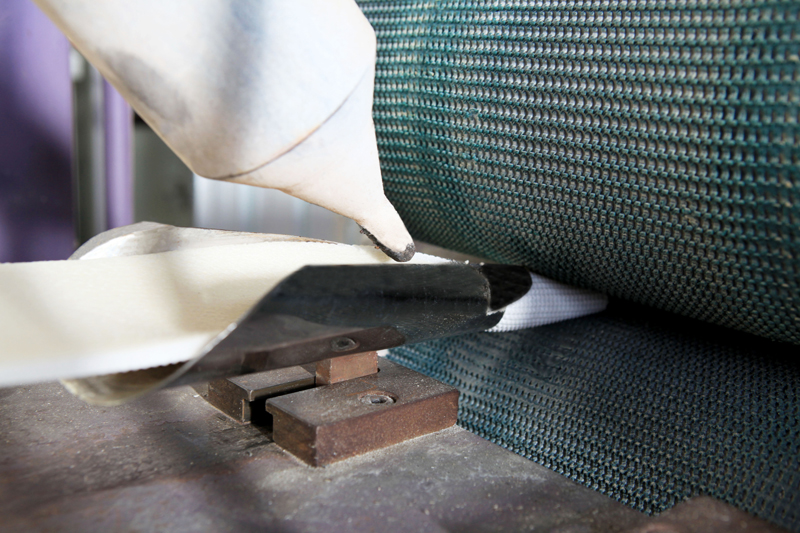
In the end, I see DurProx and DurSolex as two strong members of the same advanced foam family, almost like two expert colleagues sitting at the same table, one bringing refined precision and clean surface confidence, the other bringing robust flexibility and practical industrial strength 😊. With the material expertise of Durfoam, manufacturers can choose not only a foam sheet or roll, but a better matched performance layer for their product, process, and customer promise. And that is the real value of a good polyethylene foam selection guide: it helps us stop guessing, start comparing intelligently, and choose a material that quietly does its job every day, whether that job is protecting a medical device, insulating a vehicle, cushioning an electronic product, or making a building component more comfortable and reliable.