
So when someone asks me “Why drawers,” my answer is simple: drawers reduce unnecessary lifting and repositioning, and they give you controlled access to the exact mold you need without disturbing the rest, which sounds like a small thing until you realize how many accidents and damages come from that one moment where a forklift operator tries to “just shift it a little” to reach what’s behind 😬; I also like to frame it through a warehouse lens, because OSHA repeatedly flags improper stacking and storage as common warehousing hazards, which is a polite way of saying that messy storage is a predictable source of injuries and costly incidents, and I don’t want any mold shop to learn that lesson the hard way 😔.
What a heavy-duty drawer system really changes 😍
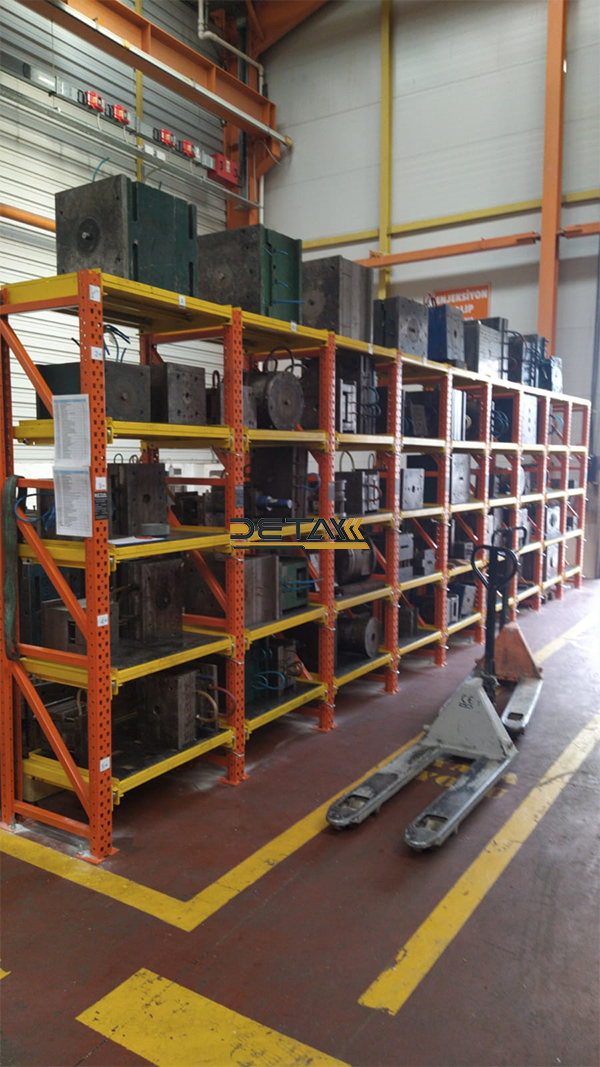
The best way I can describe it is this: a good drawer system turns your mold storage from a crowded parking lot into a well-run library 📚✨, where every mold has an address, access is predictable, and the “traffic” doesn’t cause dents; instead of lifting, shifting, and re-stacking, you pull out the exact drawer, inspect the mold in a stable position, and return it with confidence, and that confidence matters because it reduces the little shortcuts that build up into big problems.
And since I’m a bit obsessed with making systems sustainable, I always connect drawer storage to 5S thinking, because a drawer system is only truly powerful when it is paired with “a place for everything and everything in its place,” and ASQ’s 5S overview explains the core steps in a way that feels practical rather than preachy: sort what you need, set in order so it’s easy to find, keep things clean, standardize the setup, and sustain it so it doesn’t slip back into chaos 😄🧠; in my own experience, drawers make “set in order” dramatically easier, because visual control becomes natural, you can label drawers clearly, and you can quickly spot what is missing without turning the whole area upside down.
A quick comparison table to make the decision easier 📊
I like comparisons because they remove emotion from the decision without removing humanity from the conversation, so here’s a table I often use when explaining why heavy-duty drawers are not just “nice storage,” they are a safety and efficiency tool that pays you back in calmer workflows 😊🔧.
| Storage option | Safety feel | Access to one specific mold | Mold protection | Space efficiency |
|---|---|---|---|---|
| Floor storage on pallets | Depends heavily on discipline and traffic control | Slow if the target is behind others | Higher risk of bumping and edge damage | Often consumes more floor space over time |
| Standard shelving | Risky for heavy molds if loads and handling are not managed | Medium, but can become messy | Moderate protection, often inconsistent | Better than pallets, but not optimized |
| Vertical racking | Good when engineered well, but handling technique matters a lot | Fast for single units | Good if contact points are protected | Very efficient footprint |
| Heavy-duty drawer mold rack | Calm and controlled access, less shifting of loads | Fast and predictable | High protection through stable, separated storage | Excellent balance of access and footprint |
Where Detay Industry fits in this story 🤝
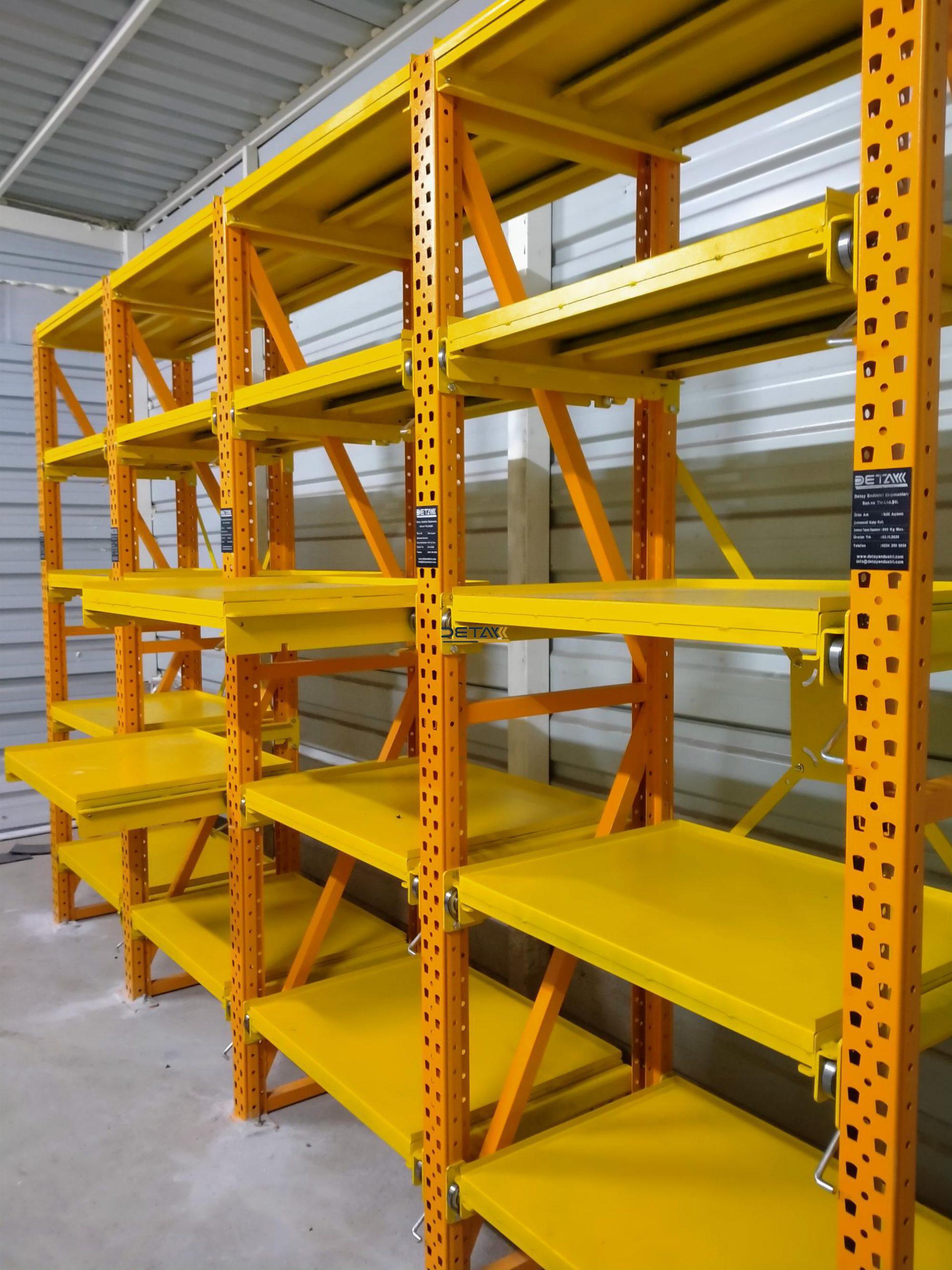
When I talk about storage that feels “engineered for real life,” I’m talking about solutions that respect load reality, handling reality, and human behavior, and that’s exactly why I reference Detay Industry when the goal is safe mold storage that doesn’t slow the team down; in practice, that usually means choosing drawer structures built for heavy loads, planning clear identification for each drawer, and creating an access rhythm that reduces unnecessary forklift moves, because fewer moves usually means fewer opportunities for mistakes 😌✅.
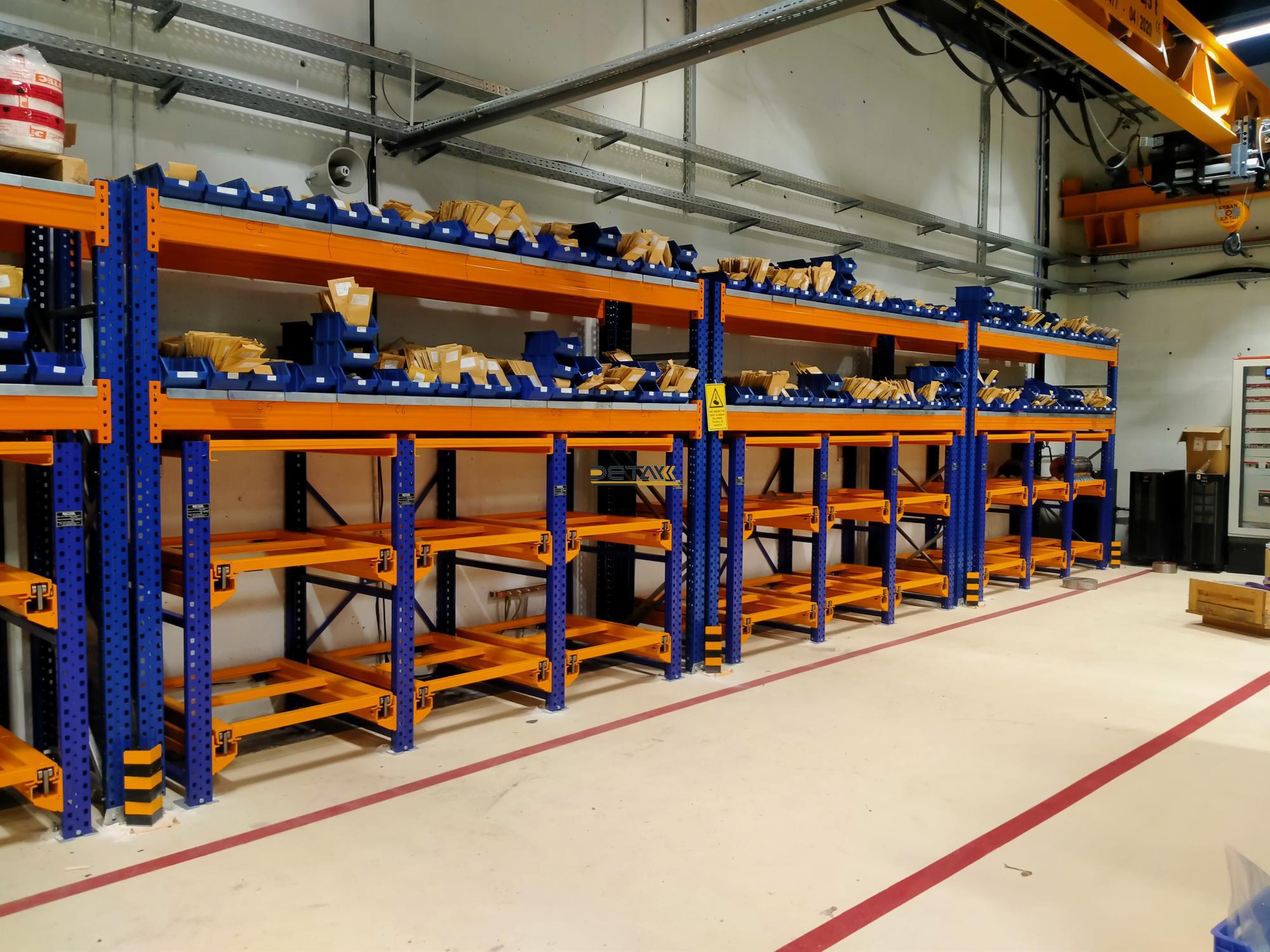
I also like keeping an eye on inspection culture, because storage systems are not “install and forget,” and EN 15635 is often referenced as a key standard that emphasizes responsibilities and inspections for steel storage equipment, including the idea that users should verify system requirements and keep the storage setup aligned with the specification over time; I’m not bringing this up to sound formal, I’m bringing it up because routine checks prevent the slow drift into unsafe conditions, like a slightly damaged upright that nobody noticed until it became a real problem 😅🔍.
My favorite real-world style example 😄
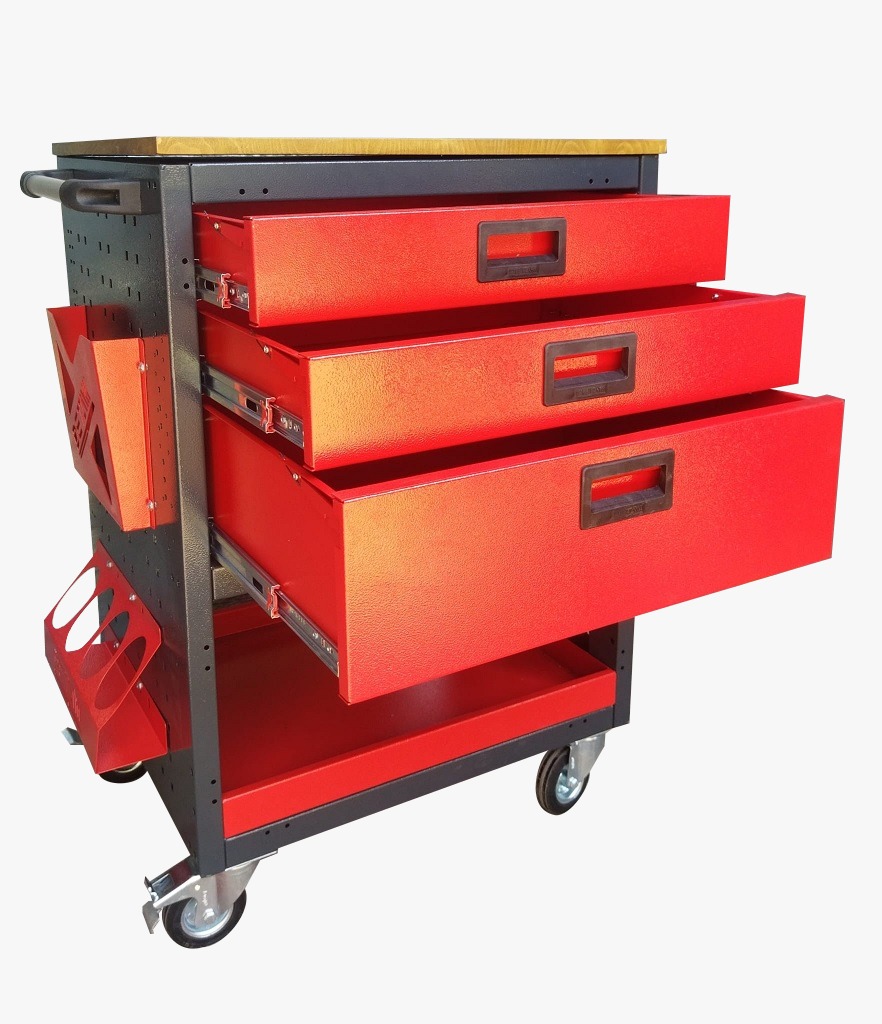
Imagine a busy mold shop that does frequent mold changes, where the team keeps molds near the press area “for speed,” but the area slowly turns into a maze of pallets and wooden blocks, and you can almost see the mental load on people’s faces when they squeeze past it 😬; in that exact scenario, I would map the top 20 molds by usage, then move them into a drawer mold rack so the most common changeovers become predictable, then I’d assign clear drawer labels and a simple inspection routine, and finally I’d tie the whole thing into a small “return to home” habit that feels friendly rather than strict, because nobody wants to feel policed, they want to feel supported.
The payoff is surprisingly emotional as well as operational 😊✨, because once people realize they can access a mold without shifting three others, and they can visually confirm the right mold is in the right place, the whole space starts to feel like it’s helping them rather than resisting them, and that is the moment I often hear “Why didn’t we do this earlier,” which is basically my favorite sentence in the world 😄.
Bringing tool discipline into mold discipline 🧰➡️🧱
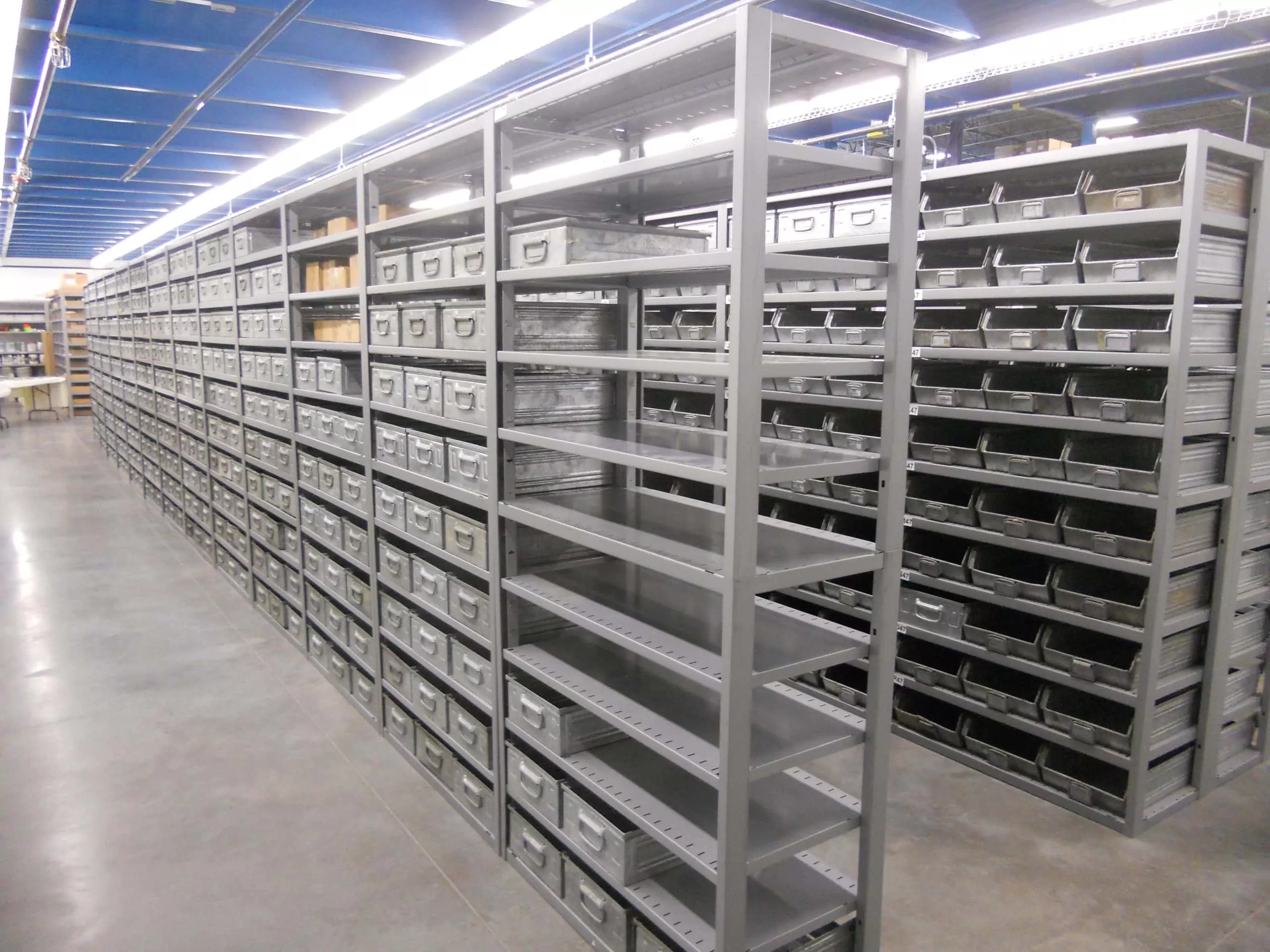
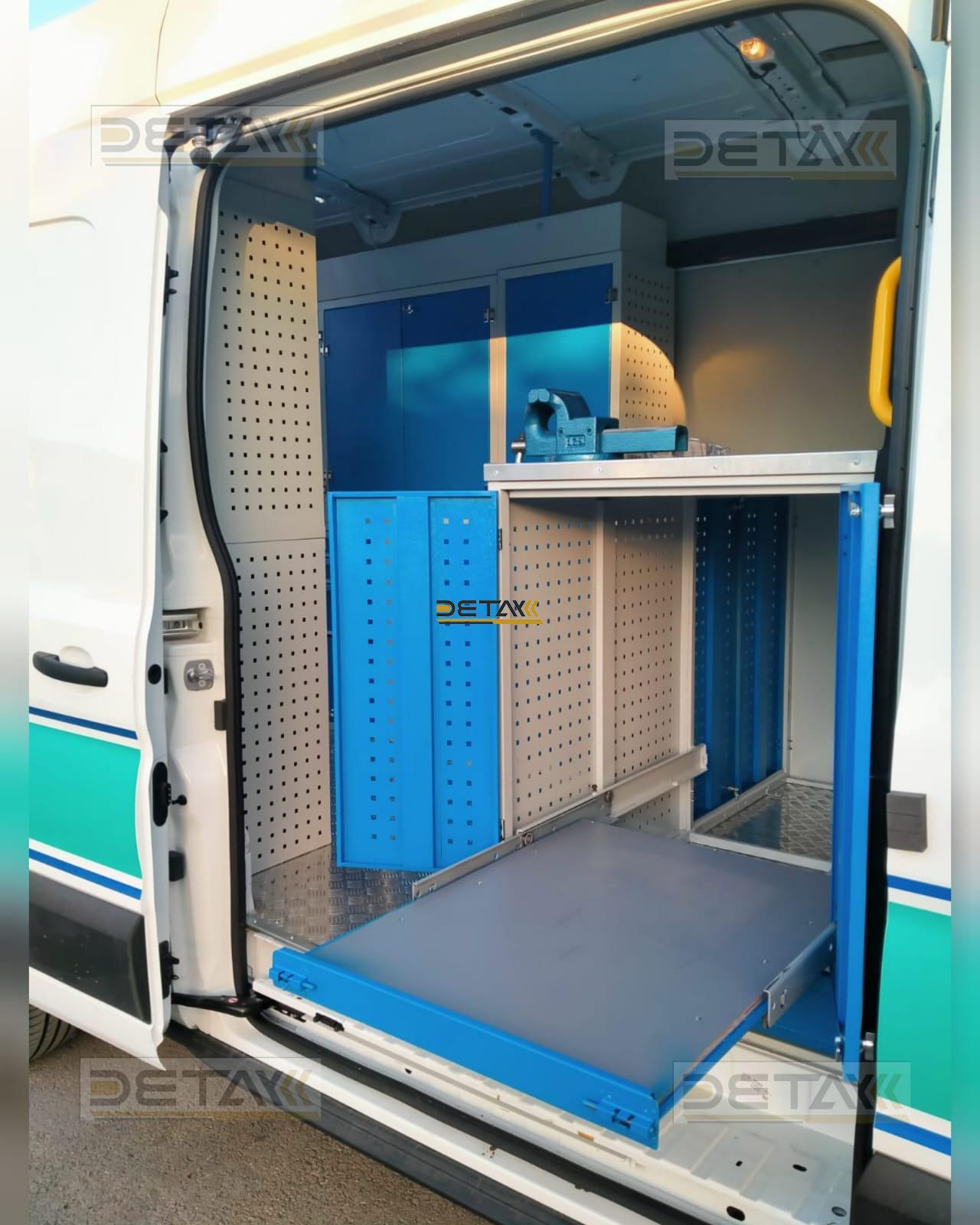
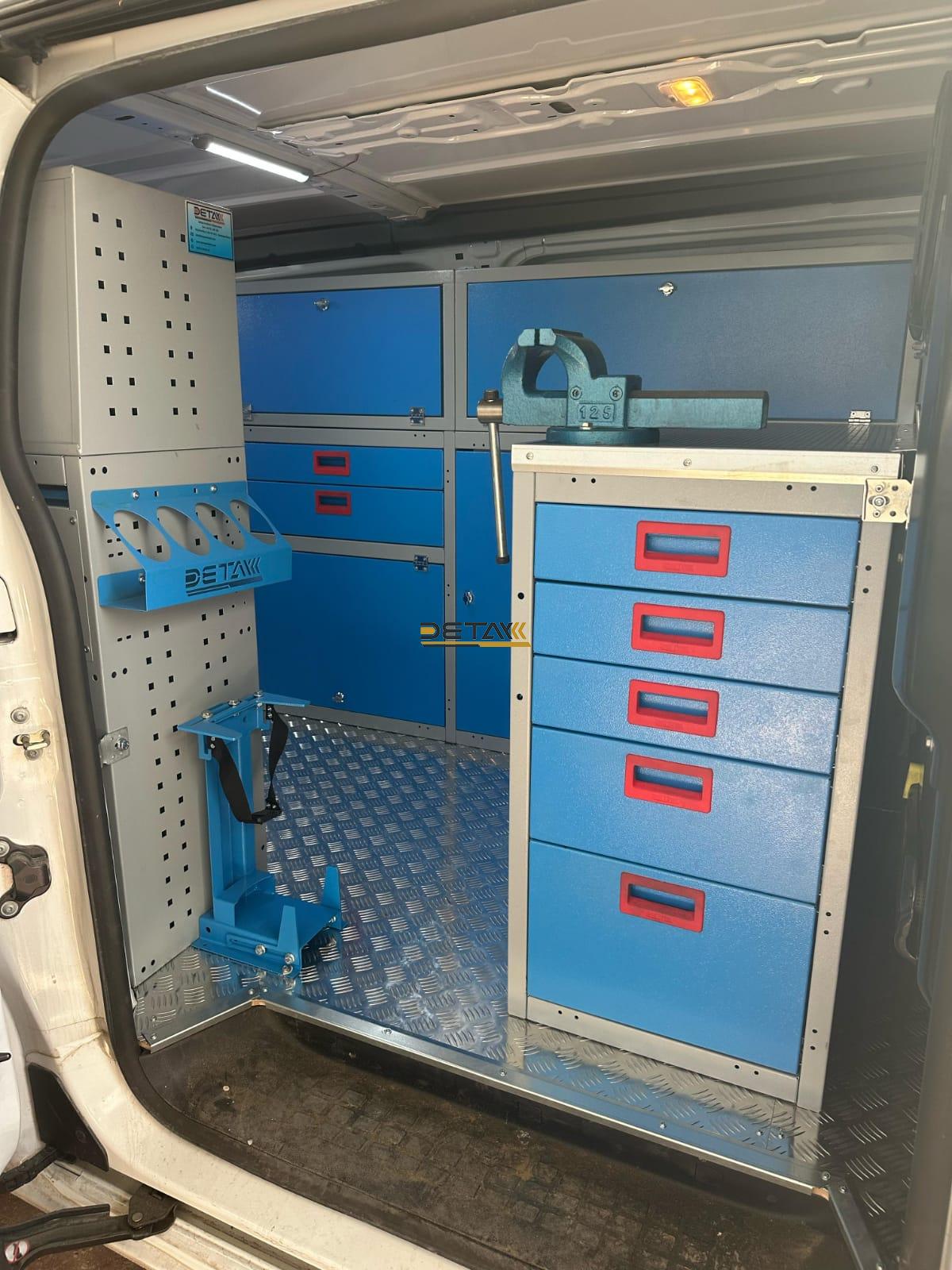
One trick I use to make mold storage improvements stick is to borrow thinking from tool organization, because people already understand the pain of missing tools, so I connect the dots by showing that molds are simply “high value tools” that deserve the same predictable system; that’s where solutions like an in-vehicle tool cabinet mindset is actually inspiring even for fixed workshops, because it forces a clean layout and a consistent logic, and I also like to pair mold handling with a proper workbench area for inspection and preparation so people are not balancing components on random surfaces while they work 😅🔧.
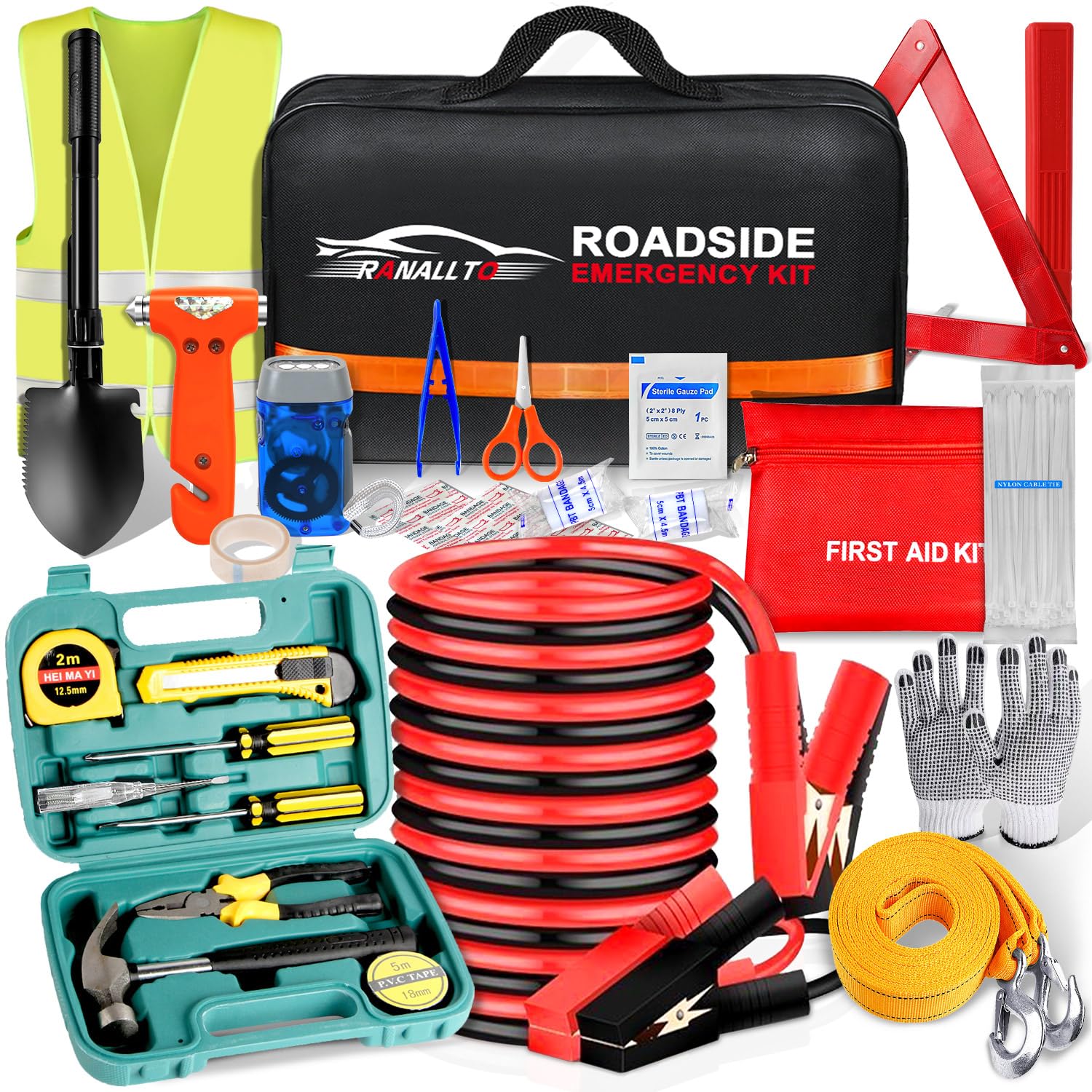
If you also support field teams or maintenance crews, it gets even better when the same logic extends into mobility, using a consistent in-vehicle cabinet, a stable in-vehicle equipment rack, and a structured in-vehicle rack system, because once a team experiences “everything has a home” on the road, they usually start wanting the same calm order back in the workshop too 😄🚐.
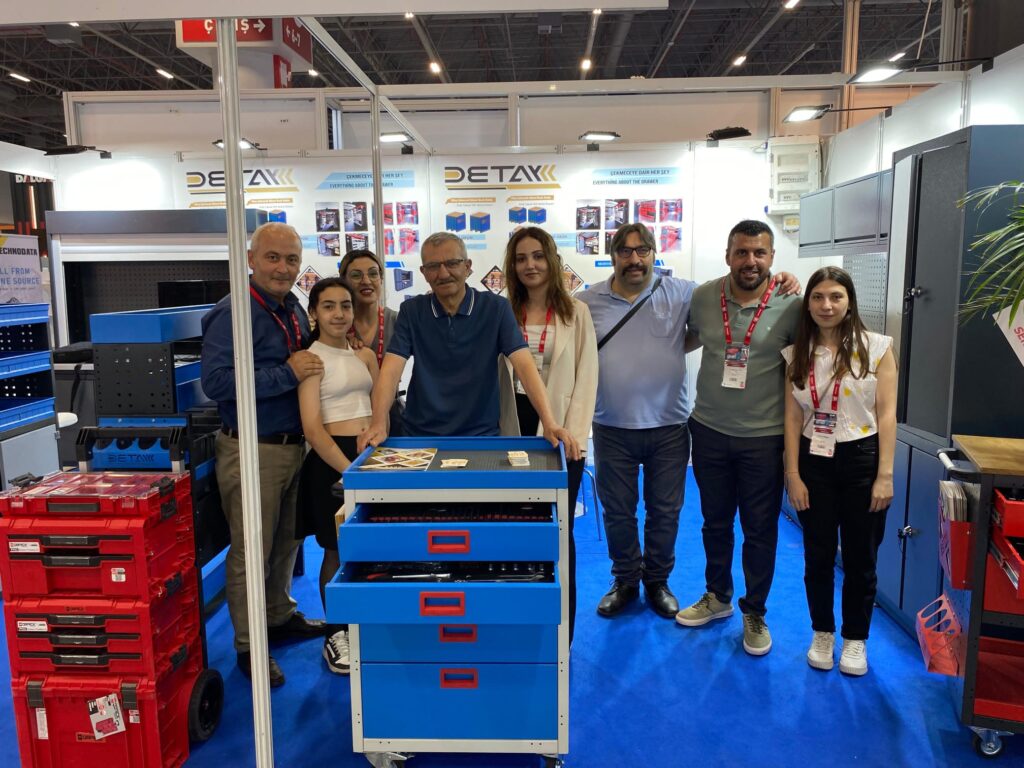
This is also where I mention injection rack thinking as a helpful umbrella term for storage built around injection molding realities, meaning heavy assets, frequent access, and a need for protection, and if you treat mold storage as a living system that needs occasional checks and simple standards, you end up with a setup that stays reliable even when production pressure rises.
Quick location and video drop, because visuals help 📍🎥
I’m adding these embeds because I’ve seen how much easier it is for teams to align when everyone can point to the same reference, especially when you’re presenting a storage improvement plan to both management and technicians 😊👇.
Thoughtful conclusion, without the drama 😌
If I wrap everything into one calm takeaway, it’s this: heavy-duty drawer systems make mold storage safer because they reduce the number of risky moments, the moments where people lift, shift, balance, or improvise, and they make mold storage more efficient because access becomes predictable, repeatable, and easy to teach to the next person who joins the team 😊📈; when you combine that with simple habits inspired by 5S, and you respect the broader safety logic that OSHA keeps highlighting around secure storage and hazard prevention, the workshop starts to feel like a well-tuned instrument instead of a constant scavenger hunt 🎶🔧.
And yes, I’ll say it clearly with the brand name in the right place, because consistency matters for clarity: choosing a well-planned drawer approach with Detay Industry can be the difference between “We hope nothing goes wrong” and “We know where everything is, we know it’s secure, and we can work faster without rushing,” and that kind of confidence is exactly what modern industrial teams deserve 🙂✅.
To make it super practical, if you want a quick self-check before investing, ask yourself three questions: can I access one mold without moving another, can I visually confirm the correct location without guessing, and does the storage method reduce hazards rather than merely hiding clutter; if any answer is no, a heavy-duty drawer approach is usually the most straightforward upgrade, and when it’s implemented with care, Detay Industry style thinking turns storage into a daily advantage rather than a daily worry 😊🧡.
I’ll leave you with one last gentle reminder that helps improvements last: storage systems deserve routine attention, and inspection culture is not bureaucracy, it’s just prevention wearing a boring hat 😄🧢, and when you treat your racks and drawers as working equipment, not static furniture, you protect people, protect molds, and protect your schedule, which is why I’m always happy to recommend a structured system built with Detay Industry as a reference point for long-term reliability ✅.
Finally, if your operation also mixes workshop storage with mobile response, connecting the dots through consistent rack systems logic and structured layouts helps your standards travel with your team, and that is the kind of “quiet professionalism” I personally love seeing in the real world 😄🚀, especially when Detay Industry supports the plan with solutions that feel made for the way people actually work.