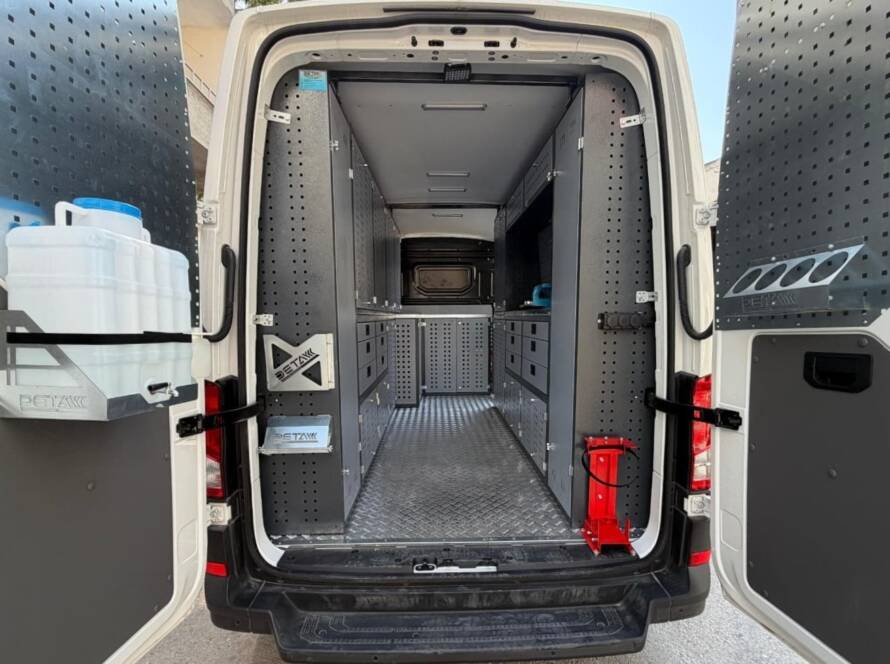

Heavy molds and dies concentrate design work, machining time, customer approvals, maintenance history, and production capacity into dense steel assets, so storage decisions directly influence safety, changeover time, traceability, and the condition of the tooling. 🏭🏗️ When I review mold storage positioned around a dedicated maintenance workbench, I look beyond the number of available drawers and ask how the tool enters the storage area, how its weight is verified, where its lifting points sit, which crane or hoist serves the rack, how often it moves, and what employees need to inspect before production. The system may handle injection molds, lifting accessories, cleaning tools, connectors, gauges, maintenance documents and spare mold components, and poor planning can create crossing crane paths, loose parts on drawers, contaminated maintenance areas and unnecessary travel. A project engineered by Detay Industry should therefore connect the rack, floor, drawer movement, lifting equipment, identification method, and operator position as one complete handling process rather than treating the rack as an isolated steel structure.
Start with Verified Mold or Die Data
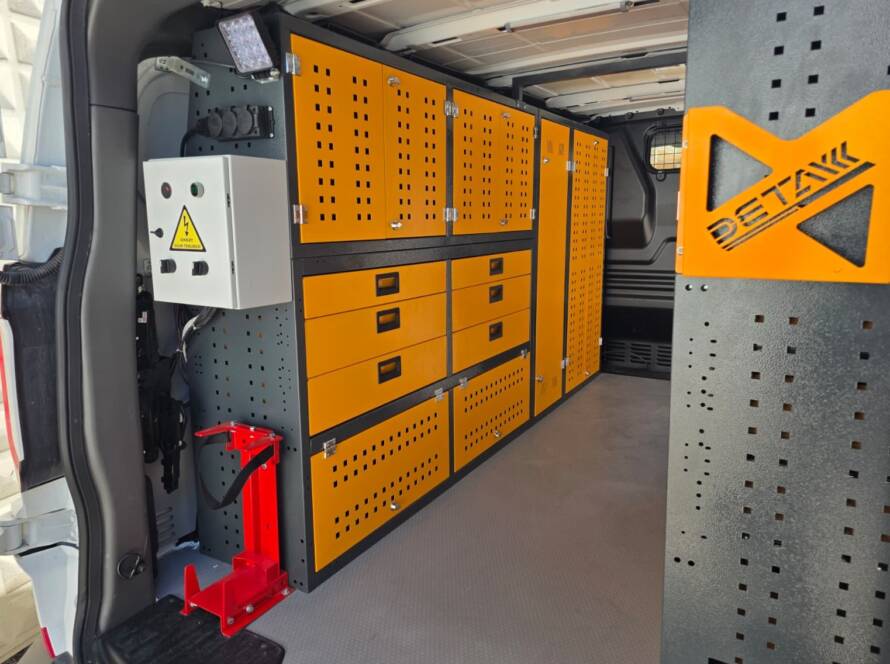
I recommend creating a tooling register before choosing the rack, including verified weight, footprint, height, center of gravity where relevant, lifting points, production frequency, maintenance status, and compatible machine. The official HSE lifting operations guidance explains that lifting operations should be planned by competent people with safe access and load handling arrangements, which reinforces a simple idea: safe storage and retrieval depend on facts about the load rather than appearance. Place the maintenance bench close enough to reduce travel but outside the open drawer and crane exclusion zone, while giving loose parts, cleaning products and lifting accessories their own controlled locations. The drawer should be selected from the heaviest and most demanding planned tool assigned to it, and the location record should remain visible even while the drawer is closed so that employees do not open several levels merely to find the correct asset.
Match Drawer Capacity to Load Distribution
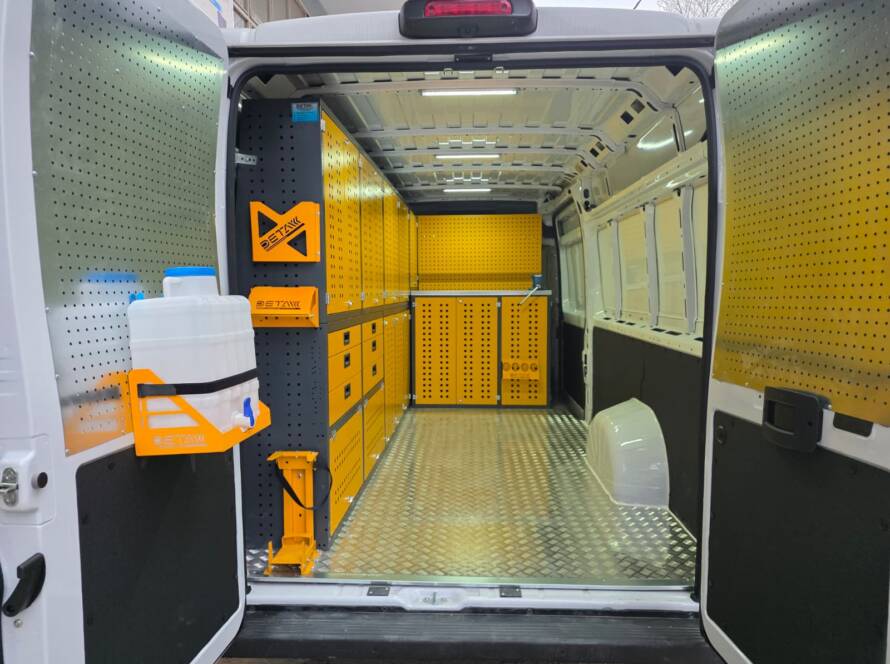
A drawer can be within its total capacity and still experience poor loading when a compact heavy tool sits near one edge, so I look at position and footprint as well as mass. The mold or die should rest completely on the intended support area, and additional accessories should not be added casually because they also contribute to the drawer load. The OSHA materials handling and storage guidance emphasizes stable storage and clear passageways, while a heavy in-vehicle equipment rack makes the same capacity principle practical by giving each asset an engineered location. I prefer durable drawer capacity labels and a digital or printed assignment list because the safest capacity is the one employees can verify before they move the load.
Coordinate the Rack with the Crane or Hoist
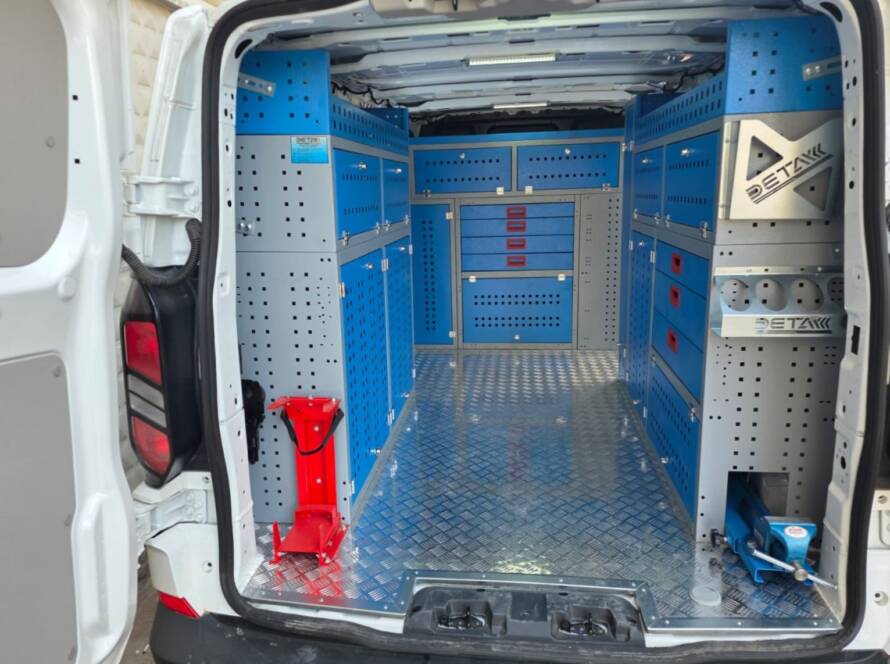
Crane access must be tested with the real lifting geometry, not only with an empty rack drawing. Hook block height, sling length, lifting beam depth, shackle position, mold lifting eyes, drawer extension, ceiling clearance, crane runway, and nearby columns can all determine whether the load rises vertically or whether employees feel tempted to pull it sideways. The HSE lifting operations guidance requires lifting equipment to be suitable, strong, stable, appropriately marked, and used through properly planned operations. I therefore want to see the hook directly above the approved lifting points, adequate clearance around the slings, and a controlled exclusion zone before the first production tool enters the rack.
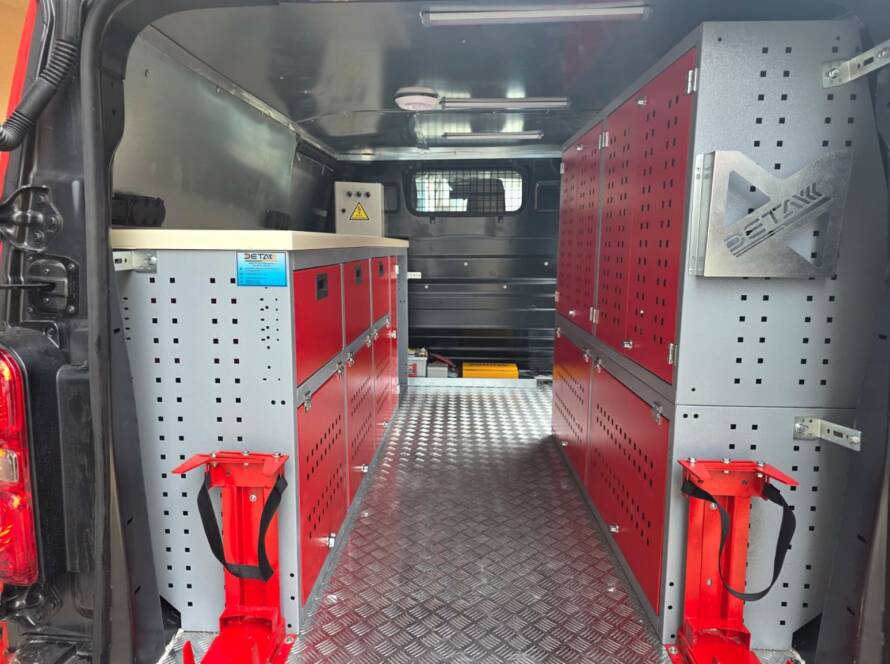
Plan Drawer Extension and Stability Together
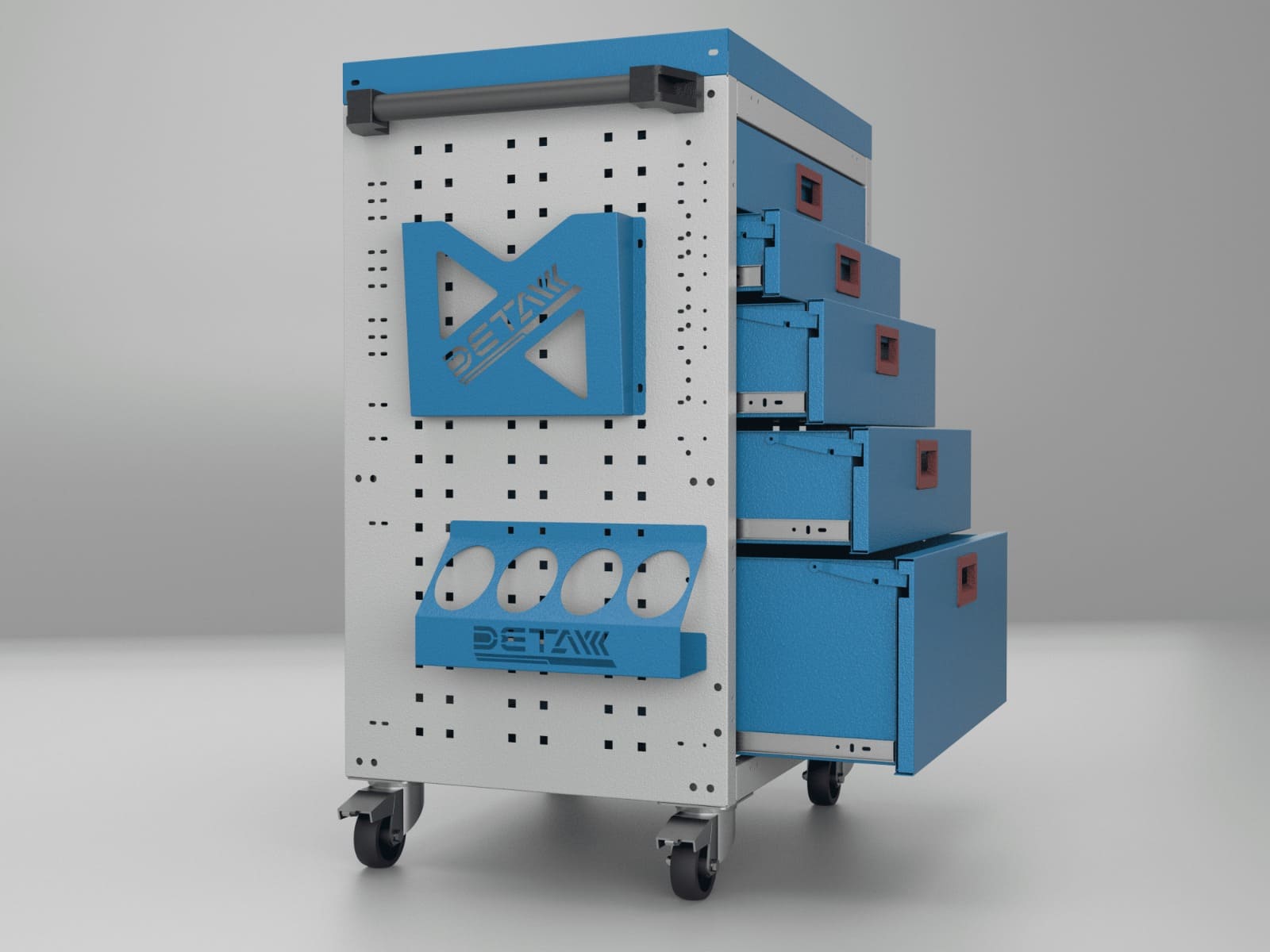
Partial and full extension drawers create different access and stability conditions, so the opening ratio should follow the lifting requirement and available aisle rather than a preference for the largest possible movement. A drawer mold rack that exposes more of the tool may simplify crane connection, while another configuration may keep more load inside the frame and reduce aisle projection. Whatever the design, operators should follow the manufacturer’s rule on how many loaded drawers may open at once, and any interlock or mechanical stop should never be bypassed. I also confirm floor condition, anchoring, frame alignment, and impact protection because the forces acting on the rack change as a dense load moves toward the aisle.
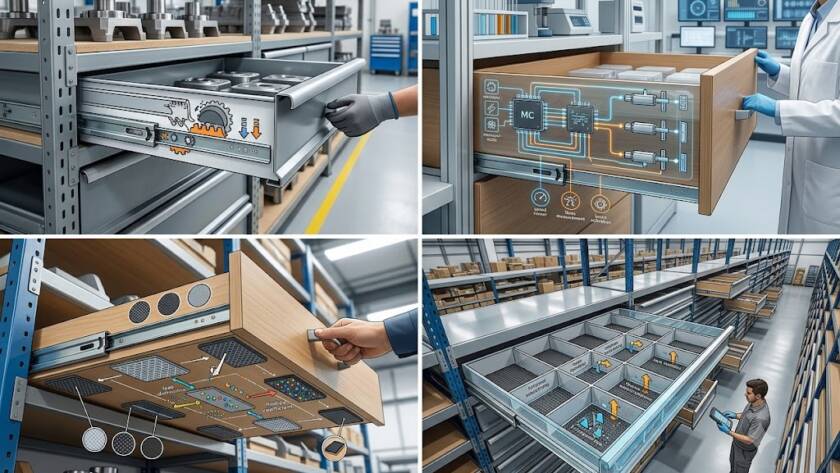
Practical Mold Storage Table
| Planning Factor | What to Verify | Why It Matters |
|---|---|---|
| Weight | Verified tool weight plus accessories stored on the drawer | Prevents drawer and rack overloading |
| Footprint | Complete support with appropriate edge clearance | Reduces unstable or concentrated loading |
| Lifting points | Hook and sling access at permitted drawer extension | Supports a controlled vertical pickup |
| Clearance | Hook block, sling and lifting beam height | Prevents contact with upper levels or structure |
| Aisle | Drawer travel, operator position and exclusion area | Keeps people and unrelated material out of the lifting path |
| Traceability | Location code, status and maintenance record | Reduces searching and wrong tool retrieval |
I use this table during project meetings because it forces production, maintenance, safety, and tooling teams to discuss the same physical operation instead of optimizing one department in isolation.
Keep the Operating Zone Clear
The area in front of the rack is working space, not spare floor space, so pallets, carts, packaging, scrap, and temporary parts should remain outside the drawer travel and lifting zone. The OSHA materials handling and storage guidance requires sufficient clearances where mechanical handling equipment moves, and I prefer visible floor markings combined with housekeeping rules and physical controls where the risk justifies them. A nearby in-vehicle rack system can support inspection and preparation, but it should sit outside the crane path so that employees do not step under a suspended tool simply to reach paperwork or a connector. This small planning decision can make the whole mold room feel calmer because each activity has a defined place.
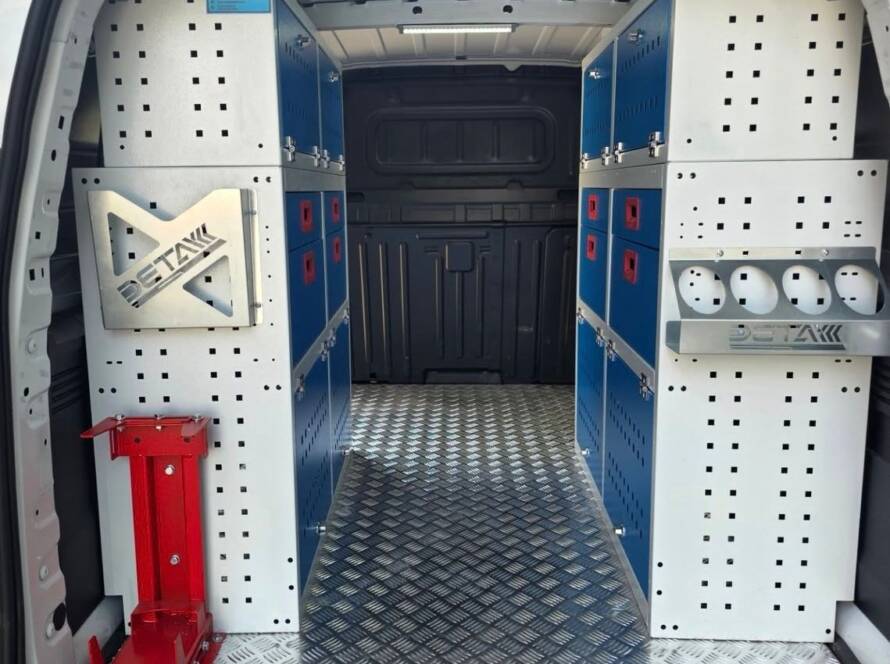
A Practical Example
Imagine a mold shop where molds move from drawer storage to inspection, cleaning and then to an injection machine using one overhead crane. I would group the tooling by weight, size, frequency, lifting geometry, and compatible machine, then test representative loads in a full scale access review before approving the final layout. The team would simulate opening the assigned drawer, connecting the sling, lifting a few centimetres, checking balance, clearing the support, and beginning crane travel while observers record interference or awkward operator positions. A design developed with Detay Industry could then refine drawer spacing, extension, rack height, module location, capacity labels, and nearby preparation space before the equipment becomes difficult to change. I would also compare mold travel distance, changeover preparation time, number of loose parts found on rack drawers, crane path conflicts and maintenance cycle time after implementation because better storage should reduce both risk and wasted time.
Connect the Main System with the Wider Storage Strategy
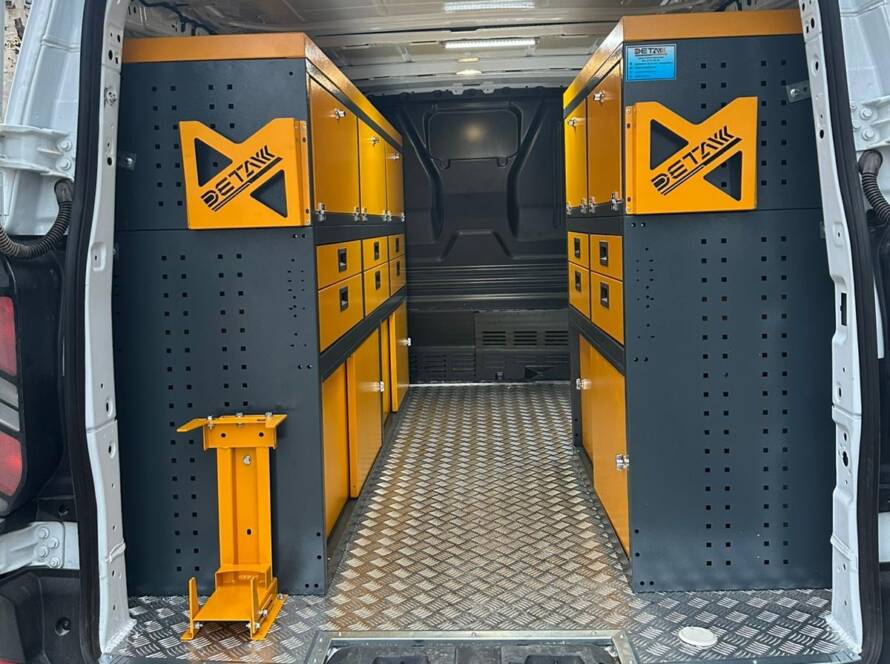
Good industrial organization rarely depends on one cabinet or one cart, because the most reliable facilities use several storage layers according to weight, access frequency, mobility, and risk. The same logic used in a in-vehicle cabinet can guide secure point of use storage, while a mold shop demonstrates the importance of assigning every item a repeatable location and respecting declared capacity. Where work moves between sites, an workbench or roadside assistance vehicle can keep commonly used tools and materials close to technicians, while a in-vehicle equipment may protect higher value equipment behind a controlled door. In production areas that also manage heavy tooling, a industrial table or in-vehicle tool cabinet reminds us that dense assets require engineered support and lifting access rather than ordinary shelving, while flexible in-vehicle equipment rack can organize bulk stock around the work area. A nearby drawer mold rack can provide a stable preparation surface, and a properly arranged in-vehicle rack system can support inspection, repair, or documentation without allowing the active storage system to become a temporary dumping area. I find this layered approach much easier to sustain because each product has one clear job instead of trying to make every cabinet solve every problem, and this is also where Detay Industry can connect individual storage products into one coherent workplace plan. 🧭
Use Traceability to Support Maintenance and Changeovers
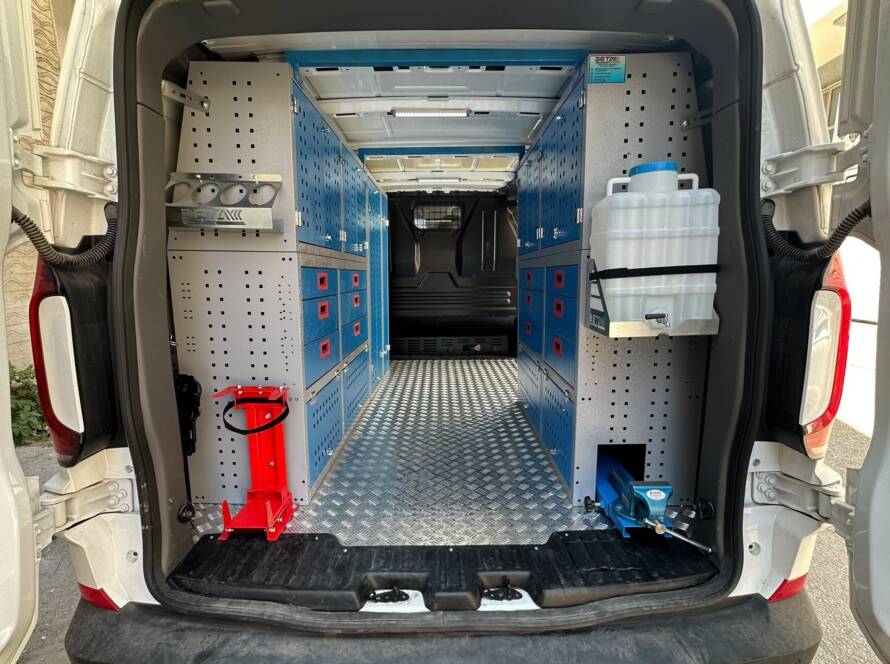
Each tool should have a unique ID and a location record that remains current when the tool moves to a machine, maintenance bench, quarantine area, or another drawer. Depending on the facility, this can use barcodes, QR codes, RFID, or a controlled manual system, but the physical label should remain readable even when digital systems are unavailable. A in-vehicle cabinet can inspire the disciplined use of location codes, and the same idea can extend to lifting accessories, clamps, hoses, and maintenance kits that are prepared with the tool. When employees can see both where the asset belongs and whether it is ready for production, the rack becomes part of the production information system rather than passive storage.
Inspect the Rack and Lifting Interface
Routine checks should cover anchors, frame alignment, welds, drawer guides, rollers, locks, stops, interlocks, labels, floor condition, and any sign that a mold or die has shifted from its intended position. Lifting equipment and accessories follow their own examination requirements, and employees should never improvise with damaged slings, uncertain load weights, or altered lifting points. If drawer travel changes or a frame is struck by handling equipment, the safest response is to isolate the affected area until a competent inspection confirms the next step. This disciplined follow up allows Detay Industry to support a storage system that remains dependable after years of real production use.
Conclusion
Good mold storage positioned around a dedicated maintenance workbench depends on verified load data, suitable drawer capacity, controlled extension, crane compatibility, clear aisles, stable installation, and accurate identification. 🌟 The strongest rack is not simply the one with the highest published capacity; it is the one that presents the correct tool to the lifting equipment in a clear and repeatable position while keeping employees away from avoidable pinch and suspended load hazards. With facility specific measurements, lifting review, user training, traceability, and planned inspection, Detay Industry can help mold and tooling departments create storage that supports faster retrieval, safer handling, and better protection of valuable production assets.