

I still remember the first time I stepped inside a rail vehicle assembly hall where engineers spoke about weight savings with the same intensity usually reserved for safety systems 🚄, because in rail, aerospace, and defense applications, every kilogram removed without sacrificing strength translates directly into efficiency, range, payload capacity, and long-term operational advantage, and that experience shaped how I look at lightweight yet strong structures as a strategic necessity rather than a design preference.

Across these sectors, material selection sits at the intersection of mechanical performance, durability, environmental resistance, and regulatory compliance, which is why composite systems built with intelligently selected cores and skins have become indispensable, especially when solutions based on polyethylene foam and pe foam are combined with metals or fiber-reinforced laminates to create structures that are both lightweight and structurally efficient.
What many people outside these industries underestimate is how harsh the operating conditions truly are, because rail vehicles endure continuous vibration and temperature cycles, aerospace components face extreme thermal gradients and fatigue loads ✈️, and defense platforms must remain reliable under unpredictable mechanical and environmental stress, which is exactly why manufacturers like Durfoam focus on material behavior over time rather than just initial strength values.

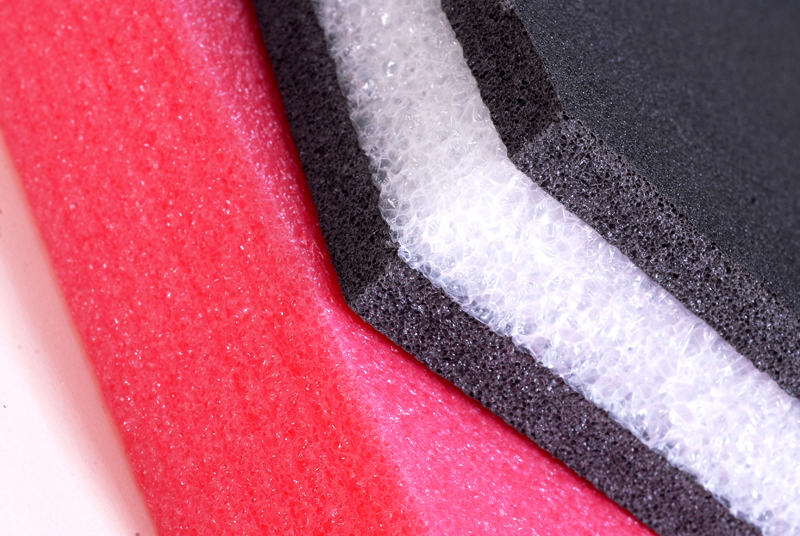
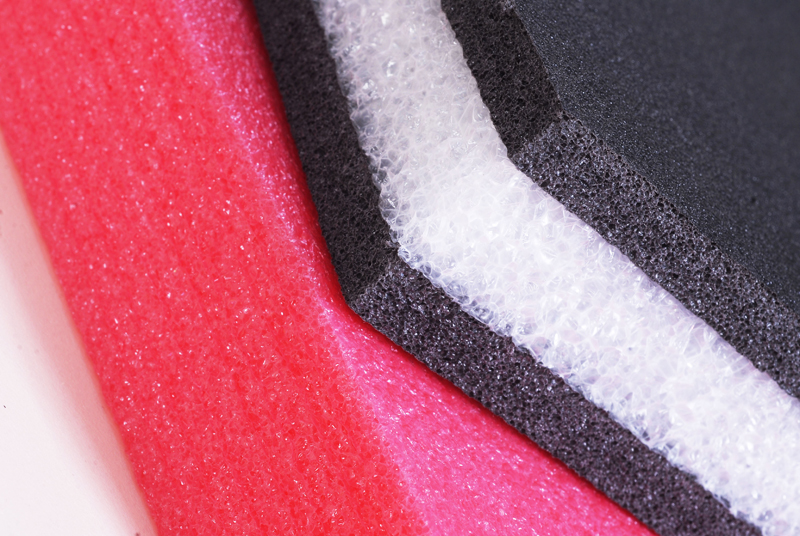
In composite sandwich structures, the core material plays a critical role by stabilizing skins, distributing loads, and absorbing energy, and this is where physically cross linked polyethylene foam becomes particularly valuable, because its uniform closed-cell structure provides consistent shear strength, excellent fatigue resistance, and dimensional stability without adding unnecessary mass.
For applications exposed to higher temperatures, mechanical shock, or long service lives, chemically cross linked polyethylene foam offers enhanced molecular stability that maintains structural integrity even when operating margins are pushed, and I have personally seen how this resilience reduces inspection intervals and lifecycle costs in defense and aerospace platforms 🛡️.
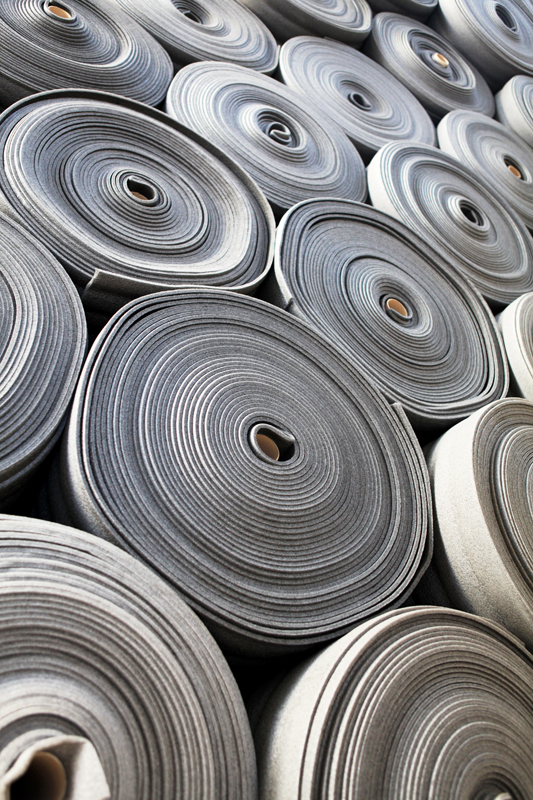
Working alongside design teams, I have learned that lightweight strength is not about making components thinner but about enabling materials to work together intelligently, and this is where Durfoam solutions integrate seamlessly into composite panels, interior modules, floor systems, and protective structures, acting as load-sharing cores that enhance stiffness while contributing to vibration damping and acoustic comfort.
| Sector | Structural Challenge | Composite Foam Contribution |
|---|---|---|
| Rail | Vibration & weight reduction | Lightweight core with damping |
| Aerospace | Fatigue & thermal stability | Cross-linked PE foam core |
| Defense | Impact & durability | Energy absorption & strength |
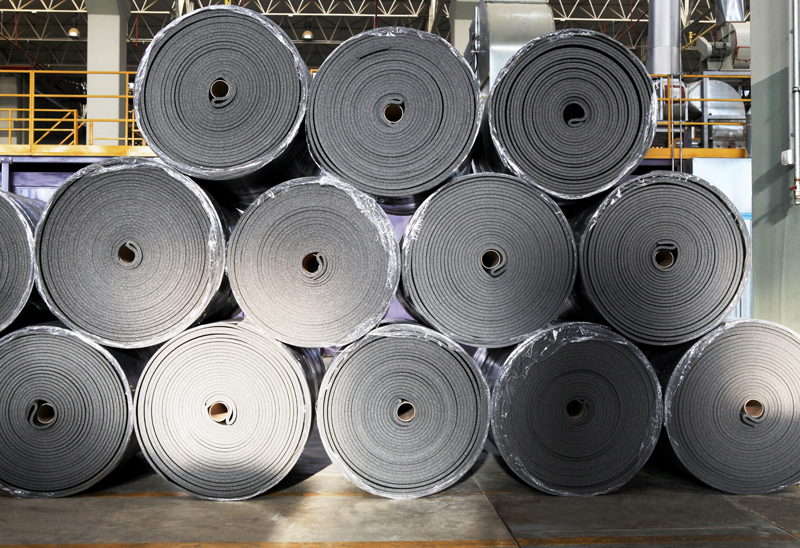
I once supported a rail interior redesign where reducing mass without compromising fire safety and durability was the primary objective, and by integrating PE foam-based composite panels supplied by Durfoam, the project achieved measurable weight reduction while improving noise control, demonstrating how multifunctional materials simplify complex engineering trade-offs 😊.
Another critical factor in these sectors is consistency at scale, because prototypes are one thing but series production demands repeatable performance, and closed-cell polyethylene foam manufactured under controlled conditions ensures that every composite panel behaves the same way, whether it is installed in the first vehicle or the thousandth.
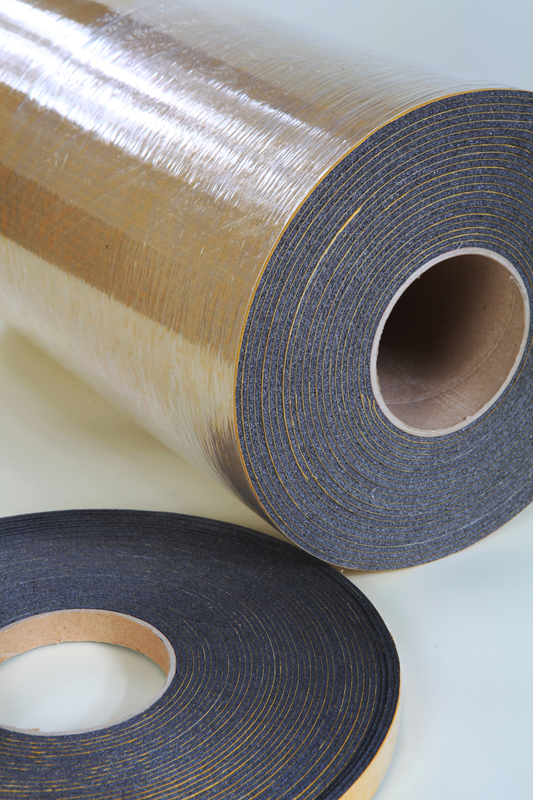
From a compliance and qualification standpoint, materials used in rail, aerospace, and defense must meet strict standards, and suppliers like Durfoam support this process by aligning production capability with documentation, traceability, and testing requirements, reinforcing EEAT principles through proven experience, deep material expertise, authoritative manufacturing processes, and long-term trust built across demanding industries.
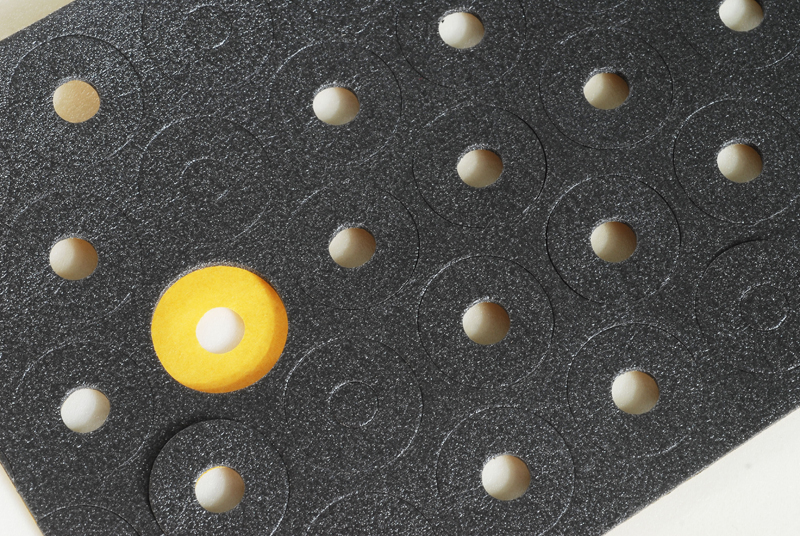

Understanding where these composite core materials are produced and how quality is maintained also matters greatly for defense and aerospace programs, and knowing that Durfoam operates with transparent manufacturing practices provides reassurance when long-term supply continuity and performance reliability are non-negotiable.
Looking back at countless design reviews and qualification programs, I have learned that lightweight yet strong structures are not achieved by chasing extremes but by choosing materials that perform reliably under real conditions, and by leveraging composite material options built around advanced PE foam cores engineered by Durfoam, rail, aerospace, and defense applications can meet modern performance targets while remaining efficient, resilient, and future-ready 🚀.
You should also read these…
- hogwar.com – tiktok for you feed not loading
- closedad.com – how rd drives performance improvements in industri
- toojet.com – romantic spin the wheel activities for couples
- noepic.com – tiktok app closing unexpectedly causes and fixes
- soturk.com – the most fun way to generate social media content
- huesly.com – videos wont play only on certain carriers traffic
- beofme.com – share button doesnt work on facebook clipboard per
- closedad.com – 10 morning habits that instantly boost energy
- axtly.com – epic games launcher not opening troubleshooting
- surgeblog.com – twitter x feature issues services identity and cou